Pesukei DeZimrah and Hatmana: Difference between pages

From Halachipedia
(Difference between pages)
m (Text replace - "Yechava Daat" to "Yechave Daat")
 
 
Line 1: Line 1:
== Basics==
[[Image:Crock_Pot.jpg|right]]
# The Rabbis instituted to say Pesukei Dezimrah starting with the blessing Baruch Sh’amar and ending with the blessing Yishtabach. <Ref> S”A 51:1. Rambam (tefilah 7:12) bases it on [[Shabbat]] 118b that one should say tehilim of Hashem’s praise daily. Rif and Rosh Brachot 5, learn it from Brachot 32a that a person should prepare praise before his requests. Tosfot Brachot 46a, Pesachim 104b state that since there’s a Bracha it must be an establishment of the Rabbis and not just a Minhag. The Pri Chadash 51 writes that it’s an establishment of the Geonim against the Birkei Yosef 51:1 who quotes Tur who quotes Sefer Hayecholet that Yishmael ben Elisha Cohen Gadol wrote Baruch She’amar and the mentioning of it in the Yerushalmi and Zohar. </ref>
When it comes to cooking and reheating foods on Shabbat, aside from the major biblical prohibition of [[Bishul|cooking]] there are three other rabbinic prohibitions. One is that before Shabbat one shouldn't leave raw food on an open fire to cook on Shabbat lest one come to cook. This is called [[Shehiya]]. The second is [[Hachzara]]; that is, on Shabbat one shouldn't return food to the fire that was removed from the fire on Shabbat since it appears like one is cooking and not just reheating. The third one is that it is forbidden to insulate food both before Shabbat so that it remains insulated on Shabbat and on Shabbat itself. This prohibition is called hatmana and is the subject of this article.
# In Nusach Sefard, Hodu, Hod V'Hadar, V'hu Rachum, Hoshiah, Mizmor Shir, Hashem Melech, Hoshieinu, and Lamnatzeach come before Baruch Sh'amar. Hodu is put first since it is related to Korbanot. Part of Hodu was sung in the Mishkan and the Tamid service every day until the inauguration of the Beit Hamikdash from 43 years before. <ref>Beis Yosef, Orach Chaim 50</ref>
==Insulating before Shabbat==
#One shouldn’t add to the Mizmorim or repeat them unless he wants to repeat something for which he didn’t have Kavanah the first time. <ref> Sh”t Otzrot Yosef 4:1 proves it from Siddur Bet Ovad (Hilchot Pesukei Dezimrah 66b) who says adding unneeded verses or repeating unnecessarily would be an interruption based on Rama 51:9. Similarly, Sefer HaEshkol says that since parts of Vayevarech David and Az Yashir aren’t part of David’s works they should be said after davening because of an interruption. However Yaavetz in Mor Ukesiah says one can add praises from tehilim as he likes and so the Chaye Adam 20:1 uses this to challenge S”A 65:2. Yet, since S”A is strict not to say the pasuk of Shema during Pesukei Dezimrah, S”A must hold that verses not established in Pesukei Dezimrah can’t be added, so holds Chida in Moreh Etzba 3(74), Petach Dvir 65:3. Yeshuot Yacov 51:1 says it may be an interruption to repeat the verse “Pote’ach et Yadecha” without Kavanah. Kaf Hachaim 51:33 one shouldn’t repeat “Pote’ach et Yadecha” in Pesukei Dezimrah. See further Sh”t Yabia Omer 6:5 </ref>
# One is permitted to insulate food before [[Shabbat]], with material that preserves heat. This is permitted even during [[Ben HaShemashot|twilight period]]. However, before [[Shabbat]] one is not permitted to insulate food with material that increases the heat lest one insulate with hot ashes containing coals and lest the food be incompletely cooked and one come to rake the coals on the [[Shabbat]].<Ref>See Talmud [[Shabbat]] 34b, Rashi at loc, Shulchan Aruch O.C. 257:1</ref>
#  One should stand for Baruch Sh’amar and Vayevarech David until and including Atta Hu Hashem Elokim and Ashkenazim also stand for Yishtabach. <Ref> Concerning Baruch Sh’amar, Darkei Moshe 51:1, Rama 51:7, Bach 53 argue that one should stand during Baruch sh’amar. Taz 51:1, Eliyah Raba 51:1, Solet Belula 51:1, Shalmei Tzibbur pg 66(4), Mishna Brurah 51:1, Kaf Hachaim 51:1. Magan Avraham 51:1 says one must stand even one praying privately. Concerning Vayivarech David, Darkei Moshe 51:8 records the minhag to stand not like the Maharil, Arizal (Shaar Kavanot Tefilat Shachar 18c), Pri etz chaim (shaar zemirot 6), Magan Avraham 51:9, Eliyah Raba 51:9, Yad Aharon (hagot tur), Shalmei tzibbur 69d, Kesher Gudal 7:43, Siddur Bet Ovad 1, Mishna Brurah 51:19, Kaf Hachaim 51:43.  
# On the Sabbath itself insulating is forbidden even with material that only preserves the heat,<ref>See statement of Rava on Gemara Shabbat 34a</ref> as a prohibition lest one discover the pot to be too cold and heat it up on coals on the [[Shabbat]] and stoke the coals. This does not apply during twilight period as most pots are warm at that time.<ref>Shulchan Aruch 257:1</ref>
* Rama 51:7 writes that Ashkenazim have the minhag to stand during Yishtabach. Bet Yosef 53 quotes Hagahot Maymone and Kol bo in name of Rav Amram Goan that such is the practice. Sephardim don’t have this minhag as noted by the Bach 53, Shaarei Knesset Gedolah 53, Chesed LeAlafim 53:1, Ikrei Hadaat O”C 4:15, Yafeh Lev 53:1, and Kaf Hachaim 53:42. </ref>
# It is permitted to insulate before [[Shabbat]] with material that preserves heat like a cloth. <Ref> Shemirat Shabbat KeHilchata 1:75 (3rd edition) based on Shulchan Aruch 257:1 and 3.</ref> There is a dispute if a pot that is covered with clothes can be placed on a heating element, which would cause the pot to get hot. See further.
# Someone sick or old can say it seated. <Ref> Mishpatei Tzedek 70 and Halichot Olam Vayigash 1 pg 75 write that an old or sick person may stay seated. Additionally, Biur HaGra 51:12 says standing altogether is a stringency. </ref>
## Everyone agrees that before Shabbat it is permissible to wrap a pot that is off the fire or on top of a hot pot which is off the fire.<ref>Shulchan Aruch 258:1, Mishna Brurah 258:2, Shemirat Shabbat KeHilchata 1:75 </ref>
== The time of Pesukei Dezimrah ==
## According to most poskim, it is forbidden even before Shabbat to wrap a pot with clothes if the pot is on a covered fire or electric hotplate. <Ref>Shulchan Aruch 257:8 explains that even though covering with a cloth is considered something doesn't preserve the heat, since the pot is top of the fire insulating the pot with the cloth becomes like it is insulated with something that preserves the heat, which is forbidden even on Friday. Mishna Brurah 257:37, Kaf Hachaim 257:40, and Shemirat Shabbat KeHilchata 1:75 agree.</ref> However, if a Sephardic Jew has such a minhag he doesn't need to be stopped.<ref> Chazon Ovadia (Shabbat v. 1 p. 56) writes that some are lenient and there is a minhag to be lenient against Shulchan Aruch.  
# The time to say Pesukei Dezimrah is from Olot Hashachar (72 before sunrise) until the 4th hour in Sha’ot Zmaniot.  <Ref>  Elyah Raba 664:3 in name of Maharil, Mekor Chaim 18:3, Torat Chaim Sofer 51:1, Yechva Daat 2:8. The Yosef Ometz Uzfa is strict that it shouldn’t be done until closer to sunrise. However, Teshuva MeAhava 2 pg 6(3) and Meharsham BeDaat Torah 664, in name of Rashi, say that it can be said before Olot Hashachar. </ref>
* When Hatmana on it’s own doesn’t preserve heat but keeps in heat because of another source (that besides the cover of clothing, the food is on a Garuf or Katum stove) there is a dispute in the Rishonim if there’s an issue of Hatmana with something that preserves heat. Ran ([[Shabbat]] Bameh Tomnin) in name of Rabbenu Yonah and Rashba writes that if the insulation preserves heat because of an external source it is forbidden as Hatmana Dvar Hamosif Hevel because this insulation shows one is concerned about keeping the food warm. However, the Ramban permits if the Hatmana is done with permitted material and the Shehiyah (leaving food on a covered stove from before [[Shabbat]]) is done in a permitted way because these are two separate Gezerahs (the Gemara 47b which seemingly prohibits putting an insulated pot on a permitted stove is only forbidden because the food is put directly on the coals but if there’s a space of air in between the coals and the food it’d be permitted.) Ran (22a s.v. VeMinhagenu), Nemukei Yosef (Lo Yachpor), Rabbenu Yerucham (pg 68c), and Meiri ([[Shabbat]] Perek Kirah pg 142 s.v. Zu Hiy) write that the Minhag is like the Ramban's explanation. Ritva 47b mentions the Ramban and adds that some are strict to make a separation between the clothing and the pot (as that’s not the usual way to insulate) but concludes that he prefers a different stringency which is putting the pot on top of a cover that separates between the pot and stove. S”A 257:8 rules even though Shehiyah is permitted in certain cases (see S”A 253) if the pot is covered with clothes even though it is a material that doesn’t preserve heat it’s forbidden to be left on the fire.
# If one missed the time unintentionally or unwillingly he can say it after 4 hours until Chatzot (when one can’t say Birchot Shema but can say Shemona Esrah). However it one missed the time intentionally he can only say Baruch She’amar and Yishtabach without Hashem’s name in the Bracha (and Shemona Esrah should be said with a stipulation that it should be voluntary if it’s unnecessary). <Ref>  Mishna Brurah 89:6, and Yalkut Yosef (Tefilah 1 pg 140, Sherit Yosef 2 pg 256) say that by Shemona Esrah after 4 hours one can still pray only if one unintentionally missed the time as stated in S”A 89:1, however, whether one can say [[Shemoneh Esrei]] if one intentionally missed the time is a dispute of the Achronim and so one can pray with a stipulation. Halacha Brurah 51:6 writes, however, for Pesukei Dezimrah, since it’s a dispute and no stipulation is valid, we don’t say the Bracha as it’s a Safek Bracha. </ref>
* Sh”t Chut MeShulash 8, Shaarei Yeshua 5:8, and Sh”t Divrei Moshe 64 say that the Minhag has what to rely on even though S”A was strict. Sh”t Zechur LeYitzchak 74 pg 113b brings the opinion of Maharar Moshe Ben Chaviv who says the Minhag has what to rely on based on the Ramban and the opinions that there’s no issue of Hatmana if the food is [[cooking]] for [[Shabbat]] day; nonetheless, Zechur LeYitzchak suggests that since the Minhag predates S”A it can continue, but concludes that one should be strict like S”A. Eretz Chaim 257, Memei Shlomo 257, Sh”t Yaskil Avdi 3:10(4:7), Gedolei Tzion 9:11 also quote the Maharar Ben Chaviv and Chazon Ovadyah ([[Shabbat]] 1 pg 56; as in Sh”t Yabia Omer O”C 6:33) conclude that one can be lenient. Halacha Brurah 257:29 writes that one doesn't need to stop someone who is lenient since there is what to rely upon.</ref>
# If it’s after Chatzot, or one said Shemona Esrah before he said Pesukei Dezimrah, he should only say Baruch She’amar and Yishtabach without Hashem’s name in the Bracha.  <Ref>  S”A 52:1, Aruch (Erech Tefilah), Machsor Vitri 23, Or Zaruha 1:100, Smak 12:77, Hagahot Maimon Tefilah 7:50, Rashba 1:589 in name of Ramban, Shibolei HaLeket 7, against the Talmedei Rabbenu Yonah Brachot 23a who say you can still say it after [[Shemoneh Esrei]]. Halacha Brurah 51:6 extends this also to where the Chatzot passed. </ref>
## If the cloth is placed on top of a wide tray on top of a pot which is on the covered fire such that the cloth doesn't actually touch the sides of the pot it is permitted.<ref> The Tur 257:8 adds that his father the Rosh held that if the clothes aren’t touching the pot it is permitted and not a normal way to do hatmana. Thus, Shulchan Aruch 257:8 rules that if the pot isn’t touching the coals it is a permissible Shehiyah and if one puts a tray on pot of the pot and clothing on top of the tray so that the cloth doesn’t touch the sides of the pot it is a permissible hatmana. Minchat Cohen (Mishmeret [[Shabbat]] 8) explains that S”A requires both requirements: 1) the pot doesn’t touch the coals and 2) the clothes don’t touch the sides of the pot. Shemirat Shabbat Kehilchata 1:76 accepts this.</ref>
== Women saying Pesukei Dezimrah ==
## According to most poskim it is forbidden to insulate a pot before Shabbat if it is on top of another pot which is on the fire.<ref>Kaf Hachaim 258:3 writes based on the Magen Avraham 258:1 that insulating a pot on top of another pot that is on the fire is forbidden even before Shabbat since it is considered like hatmana bdvar hamosif hevel. Mishna Brurah 258:2 agrees. Kaf Hachaim adds that according to the lenient opinion in the Rama 257:7 since there is no issue of shehiya on a pot on top of another pot there's also no issue of hatmana, but that is only if that is the minhag.</ref>
# The practice of Sephardic women is that since there’s no obligation, if women want to say it, they can only say it without Hashem’s name in the Bracha. The practice of Ashkenazi women is that they say the Bracha with Hashem’s name. <Ref>Halacha Brurah 51:7 from his teshuva Sh”t Otzrot Yosef 4:3. S”A 589:6 says women can’t make brachot that are on time bound positive mitzvot and Rama says women can make these brachot. Whether women are obligated in Pesukei Dezimrah is a dispute in the Achronim. The dispute is based on the dispute in the rishonim where women are exempt from time bound mitzvoth that are derabanan. (Tosfot Brachot 20b holds they are exempt and Orchot Chaim (Hilchot [[Tzitzit]] 31) in name of Rabbenu Tam holds they are obligated.) Since pesukei dezimrah is a time bound derabanan mitzvah seemingly it’d be dependant on the dispute of the rishonim. In Siman 47, the taz and magan avraham imply from Bet Yosef that women are patur from Pesukei Dezimrah; however the Maharil haChadashot 45:2 pg 53, holds women are chayav and when Bet Yosef quotes the Maharil he leaves out that women are chayav. Mishna Brurah 70:1 implies from Rabbi Akiva Eiger that women are obligated. Or Letzion 2, 5:3 pg 44-5, holds they aren’t obligated but can still make the bracha since it’s praise of Hashem, but Sh”t Yabia Omer O”C 2:165, 8:8 argues that one shouldn’t make unnecessary brachot. </ref>
===Food in Other Food===
== Amen after Baruch Sh’amar and Yishtabach==
# There is no issue of [[insulating food]] inside other food if there's no separation. <Ref> Shemirat Shabbat KeHilchata 1:72 </ref>
# If one finished Baruch Sh’amar before the Shaliach Tzibbur one can answer amen after the Shaliach Tzibbur finishes Baruch Sh’amar. <Ref> S”A 51:2, Kitzur S"A of Rav Rephael Baruch Toledano, siman 11, laaws of tefila from baruch she'amar until yishtabach, seif 3, Tur 51:2 based on the Rosh in a Teshuva (Klal 4:19), Bet Yosef (51:2) compares this to a dispute of Rishonim of answering Amen after HaBocher B’Amo Israel Be’Ahava before Shema and then concludes by Pesukei Dezimrah we can be lenient since Amen is a praise of Hashem(fitting with the theme of Pesukei Dezimrah). Magan Avraham 51:3. Sh”t Yabia Omer O”C 6:4, 7:8(3), Yavetz in Mor Ukesia 65, Kiseh Eliyahu 51:3, Chida in Kesher Gadol 7:21,34, Pri Megadim A”A 51:3, Chaye Adam 2:3, Kesot HaShulchan in Badeh Shulchan 18:5 in name of Siddur Rav Zalman, Shalmei Tzibbur pg 67b, Sh”t Zechur L’Yitzchak Hareri 7:6, Rav Shlomo Kluger in Sefer HaChaim 59, Minchat Aharon 12(4). However the Tevuot Shemesh O”C 12 and Aruch Hashulchan don’t allow one to answer amen during Pesukei Dezimrah.</ref>
# Before [[Shabbat]], some say that one can leave fully cooked food in a plastic, nylon, or aluminum bag in an pot of hot food (such as kuggel in chulent), however, some forbid because of Hatmana. <Ref> Chazon Ish 37:32 rules that a vessel inside a pot of hot water doesn’t have an issue of Hatmana. Even though, Aruch HaShulchan 258:3 and Sh”t Shevet HaLevi 3:47 argue on the Chazon Ish, Chazon Ovadyah ([[Shabbat]] 1 pg 62) says one can rely on the Chazon Ish to be lenient, especially if the food is fully cooked (for which Rama 257:7 permits Hatmana). Sh”t Shevet HaLevi 8:15(4) says that there is what to be lenient since the bag is only separating the food inside it but it would have been hot from the pot nonetheless. Sh”t Vayeshev Moshe (Zanger) O”C 19 adds that the bag or aluminum isn’t a real vessel that separates the food inside it. Rav Shlomo Zalman in Sh”t Minchat Shlomo (2:34(20) in Ostrot Shlomo version), Sh”t LeHorot Natan O”C 12, Kovetz Or Yisrael 5:23, Sh”t Shraga HaMeir 4:63, 6:3, Megilat Sefer on [[Shabbat]] 4:13, Sh”t Kinyan Torah 4:24, Sh”t Az Nidabru 6:78, Sh”t Or Letzion 2:17(13), and Sh”t Maaseh Nisim 163 agree that there’s no Hatmana in our case of a food within another food since it’s not meant to be totally separate.  
# If one finished Baruch Sh’amar with the Shaliach Tzibbur one can not answer after the Shaliach Tzibbur finishes Baruch Sh’amar because it looks like one is answering amen to one’s own bracha. <Ref>  Teshuvat Harosh (klal 4:19), Magan Avrham 51:2, Birkei Yosef 51:2, Kesher Gudal 7:26, Shalmei Tzibbor 67:1 SHulchan Aruch Harav51:3, Siddur Bet Ovad 11, Ben Ish Chai Vayigash 8, Mishna Brurah 51:8, Kaf haCHaim 51:3. </ref>
* In the 2nd edition of Shemirat Shabbat Kehilchasa 42:63 he was  strict regarding materials that don’t allow liquid through such as plastic, nylon, or aluminum liners inside chulent or crock pots, however in the 3rd edition there’s an explicit retraction in 1:87 quoting Rav Shlomo Zalman to permit in all circumstances.  
# The Sephardic custom is to say amen after one’s own bracha when it concludes a significant section such as saying amen after Yishtabach. Ashkenazim have the minhag not to say amen after one’s own bracha as after Yishtabach, but if one finishes Yishtabach with the Shaliach Tzibbur he can answer amen. <Ref>  S”A 51:3,215:1 and Rama 215:1. It’s permitted to answer the Shaliach tzibbur’s bracha if one finishes at the same time and it’s not an issue of looking like you are answering your own bracha. So writes the Bach 54, Magan Avrham 51:2, Beir Hetev 51:2, Shulchan Aruch HaRav 51:3, Mishna Brurah 51:3 and other Achronim. </ref>
* Meor [[Shabbat]] 3 pg 519, and Menuchat Ahavah 1:3(27) are somewhat strict on the issue, the Minhag is to be lenient on this issue. </ref>.
==Interruptions in Baruch Sh’amar and Yishtabach==  
# It is forbidden on Shabbat to insulate a bottle of liquid inside a container of hot water even if it won't reach yad soledet bo. However, according to Ashkenazim, it is permitted to insulate a bottle of liquid in a container of hot water if the bottle is partly out of the hot water (assuming that there is no issue of bishul).<ref>Mishna Brurah 258:2, Dirshu Footnote 258:7</ref>
# When one is saying the beginning of Baruch Sh’amar or Yishtabach before the words Baruch Atta Hashem, one can answer Kaddish, Kedusha, and Barchu. <Ref>  Halacha Brurah 51:12, Ben Ish Chai Vayigash 9, Kaf HaChaim of Rabbi Chaim Palagi 18:4, Mishna Brurah 51:2, Kesher Gudal 7:29,30 see footnote 17.</ref>
===Hot Plate Blanket===
# When one is saying the Bracha of Baruch Sh’amar or Yishtabach after Baruch Atta Hashem, one can’t answer amen to a bracha.   <Ref> The Magan Avraham (51:3) holds one can answer Amen during the bracha of Baruch Sh’amar since it’s a Bracha not mentioned in Talmud, so holds the Pri Chadash 51, Imri David Padir 51, Sh”t Levushei David Tanina O”C 16, Sh”t Hayshiv Moshe Titelbaum O”C 3, Mishna Brurah 51:2. However, Birkei Yosef 51:1 quotes Tur who quotes Sefer Hayecholet that Yishmael ben Elisha Cohen Gadol wrote Baruch She’amar and the mentioning of it in the Yerushalmi and Zohar. Thus, in the bracha itself one can’t answer amen, so holds Mishkenot Yacov O”C 64, Chida in Kesher Gadol 7:29, Mishna Brurah 51:2 in name of Chaye Adam 5:13, Igrot Moshe O”C 4:13, Shalmei Tzibbur pg 67b, Sh”t Zechur LeAvraham 3 pg 5b, Kaf Hachaim of Rabbi Chaim Palagi 18:5, Ben Ish Chai Vayigash 9, Tehilah LeDavid 51:1, Me’ain Ganim O”C 13:4, Torat Chaim Sofer 51:1, Biur Halacha D”H Im Siyem, Sh”t Meshiv Halacha 1:438, Sh”t Yabia Omer O”C 5:7(5), 6:6(3), Sh”t Yacheva Daat 6:3 pg 18. </ref>
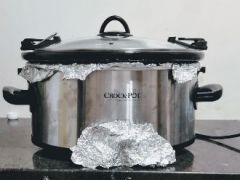
[[File:Plata blanket.jpg|250px|thumb|right|According to Sephardim it is forbidden and according to Ashkenazim it is permitted if the sides of the pots are clearly and recognizable partially exposed (unlike this picture).]]
# When one is saying the Bracha of Baruch Sh’amar or Yishtabach after Baruch Atta Hashem, one can answer Kedusha, Barchu, and the first five amen’s of a Sephardic Kaddish and three amen’s of an Ashkenazic Kaddish. One shouldn’t answer Barich Hu. When one answers Amen Yehe Shem Raba one should only answer up to Ulmiya Yitbarach and not until De’amiran Be’alma.  <Ref>  Kaf Hachaim of Rabbi Chaim Palagi (18:5) says one can’t answer any Dvar Sh’bekedusha during the Bracha. Yet Taharat HaMayim (Shuirei Tahara Ma’arechet 5:19, pg 54b) argues one should be allowed just as during Brachot of Shema. So holds Ben Ish Chai Vayigash 9, Kaf HaChaim of Rabbi Chaim Sofer 53:2, 54:7, Chesed LeAlafim 54:2, and Halacha Brurah 51:12. Mishna Brurah 54:3 quotes Chaye Adam 5:13 who forbids any interruption in the actual Bracha, but the Mishna Brurah says one could argue with this and leaves it as a tzarich iyun. Ben Ish Chai Vayigash 9 says one should say Amen Yehe Sheme Raba until Da’Amiran Be’alma and Sh”t Yabia Omer O”C 1:5, 6:8, Halichot Olam Vayigash 3 quotes Achronim who say one should only say up to Ulmiya. Concerning Barich Hu see footnote 23.  </ref>
# One may not completely wrap a pot with a blanket or towel if the pot is on top of a hot plate, covered fire, or any other heating element. Even though the blanket or towel is considered something that doesn't add heat, it is nonetheless considered as something that adds heat once it is on top of a pot which is on a heating element. This may not be done even before Shabbat.<ref>Shulchan Aruch O.C. 257:8, Mishna Brurah 257:37, Halacha Brurah 257:28. <br />
* Tur 257:8, quoting the Rosh, writes that those people who insulate a pot on Friday with a cloth and put the pot on a covered fire are doing wrong, since the cloth is considered an insulation that adds heat once the pot is on top of a heating element. The Bet Yosef (257:8 s.v. u'ma shekatav rabenu aval hatmana) writes that Tosfot Shabbat 48a s.v. dzeytim held that it is forbidden to use a cloth to cover a pot on top of covered coals since the cloth becomes something that adds heat since the pot is on top of a heating element. He also quotes the Smag Lav 65, Smak 282, Sefer Hatrumah 231, and Ran (shabbat 22a s.v. aval) citing the Rabbenu Yonah and Rashba as agreeing. He does cite the Ran quoting the Ramban as disagreeing that hatmana and shehiya are two separate issues, and if a cloth isn't something that adds heat itself it isn't considered something that adds heat for hatmana.
* Shulchan Aruch 257:8 follows the opinion of the Tosfot, Smag, Smak, Sefer Hatrumah, Rashba, Rabbenu Yonah, Rosh, and Tur unlike the Ramban. This is accepted by the achronim including Shulchan Aruch Harav 257:10, Mishna Brurah 257:37, and Halacha Brurah 257:28. Aruch Hashulchan 257:11 agrees and adds that the Rambam and Rif agree with Tosfot. Halacha Brurah 257:28 adds that the Nemukei Yosef b"b 10a agrees with Tosfot.</ref> According to Ashkenazim this is forbidden. According to Sephardim this is forbidden, though someone who has a minhag to do so doesn't need to be stopped if he does so before Shabbat.<ref>Shulchan Aruch 257:8, Halacha Brurah 257:28-29, Chazon Ovadia Shabbat v. 1 p. 56.
* According to Sephardim, Halacha Brurah 257:29 writes that someone who does insulate the pot before Shabbat with a blanket on top of the heating element, even though it is against most rishonim (Tosfot, Rosh, Tur, Smag, Smak, Sefer Hatrumah, Rashba, and Rabbenu Yonah) and Shulchan Aruch, someone who relies on the Ramban Shabbat 47b who holds that a cloth isn't considered something that adds heat even though the pot is on top of a heating element shouldn't be rebuked. (See there where he adds that although many rishonim are strict there are many who are lenient like the Ramban including Or Zaruah 2:8, Sefer Habatim ch. 5, Ohel Moed 3:10, Ritva Shabbat 47b quoting Rabbenu Tam, Sefer Hayashar no. 235, and Meiri 36b based on Rashi.) Furthermore, if the pot is heating food for the next day there is what to rely upon according to the Shibolei Haleket. Even though this is a minority opinion someone who follows it in conjugation with the Ramban shouldn't be rebuked. Halacha Brurah 258:3 p. 382 clarifies that this lenient is only before Shabbat.</ref>
# If one only covers the top of the pot, according to many Ashkenazi poskim, it isn't considered insulation since it is only partially covered and it is permitted even on Shabbat. The exact definition of a partial covering is if the pot is only covered with a blanket on the top and the sides are recognizably exposed or there is an airspace between the pot and the covering for a majority of the circumference of the pot.<ref>
* Shemirat Shabbat Kehilchata 1:77-78 writes that it isn't considered insulating if the pot isn't completely covered. It would be permitted even if it is on the fire. In the footnote, he cites Rav Shlomo Zalman Auerbach who clarified that it is only not considered hatmana if a recognizable part of the side of the pot is exposed around a majority of its circumference and not just one little area. Orchot Shabbat v. 1 p. 110 agrees that covering a pot on a covered fire on Shabbat with clothes is permitted if they only partially cover the pot. The definition is that it needs to be uncovered in a significant way so that it negatively impacts on the heat of the pot.
* However, Halacha Brurah 257:29 writes that even Ashkenazim should be strict. He explains that the implication of the Rama who doesn't comment on 257:8 is that it is forbidden to cover a pot on a heating element even though it is only partially covered. He quotes the Pri Megadim E"A 257:18, who explains that even though usually a partial covering isn't an issue for the Rama 253:1, here it is since it is clear that one is insulting the pot to keep it hot. However, he also quotes the Minchat Cohen 2:8 s.v. veheneh (cited by Halacha Brurah v. 14 p. 345) who says that according to the Rama it is permitted. Halacha Brurah writes that Ashkenazim should be strict.</ref> According to Sephardim, it is forbidden even before Shabbat, even if the blanket is only covering the top of the pots and not covering it on all sides.<ref>Halacha Brurah 257:28, based on Shulchan Aruch 253:1 that hatmana on one side is considered hatmana, writes that covering the pot on top of a covered fire is forbidden. He explains that this is the intent of Shulchan Aruch 257:8. </ref>
# Obviously if one ever does use such a blanket one should be careful that it is fire safe.


== Interruptions in middle of Pesukei Dezimrah==  
==Insulating on Shabbat==
# After the fact, if one did interrupt during Pesukei Dezimrah with talking unrelated to prayer, according to Sephardim, one doesn’t repeat the bracha (Baruch Sh’amar) again.  [According to Ashkenazim, one has what to rely on to repeat Baruch Sh’amar.] <Ref>  Sh”t Ginat Veradim O”C klal 1:52, Sh”t Pardes HaGadol 5, Sh”t Zechur L’yitchak O”C pg 11d, Pri Megadim A”A 51:3 concludes with a Sarich Iyun, Mishna Brurah 51:4 all hold an interruption forfeits the bracha of Baruch Sh’amar and one should repeat it, Halacha Brurah in Birur Halacha 51:3 brings the Rashbetz in name of the Geonim that speech isn’t an interruption to answer a greeting of anyone or to greet someone who is due respect during Pesukei Dezimrah even between Baruch Sh’amar and the zemirot; and doesn’t effect the bracha, so holds Perach Soshan O”C klal 1:15, Korban Esheh O”C 2, Taharat HaMayim (Shuri Tahara Merechet 40:47), Sh”t Yabia Omer O”C 6:5(3). Minchat Aharon 12:3e, Kaf Hachaim 51:7 implied from S”A 51:4. On the other hand, Mishna Brurah 51:4 holds one should repeat, as do several other Achronim. However, Sh”t Yabia Omer O”C 6:5(3) says that had those Achronim seen the Rashbetz in the name of the Geonim they would have retracted their positions. </ref>
# On [[Shabbat]] one is not allowed to insulate food whether it is cooked or raw from all sides even if one uses material that doesn’t preserve heat like clothing or cloth because of the Gezerah that one will find the food cold and come to heat it up.<Ref> Shulchan Aruch 257:1-2, Shemirat Shabbat KeHilchata 1:65 </ref>
# When one is saying Pesukei Dezimrah, even right after Baruch Sh’amar before the zemirot, and even during Baruch Sh’amar before the bracha part, one can answer amen after a Brachot he hears from his friend.  <Ref>  See footnote 12 regarding Amen during Pesukei Dezimrah, Concerning answering amen during the beginning of Baruch Sh’amar, one can answer since one still didn’t begin the bracha with Hashem’s name; so holds Kaf Hachaim of Rabbi Chaim Palagi 18:4, Kesher Gudal 7:29,30, Mishna Brurah 51:2, Ben Ish Chai Vayigash 9 allows one to answer but afterwards one should begin Baruch Sh’amar again. Yet Kaf Hachaim of Rabbi Chaim Sofer (51:11) and Halichot Olam (Vayigash 4) say one shouldn’t repeat the beginning of Baruch Sh’amar. </ref>
## It is forbidden to immerse an unopened can in hot water even if it’s fully cooked and even if the water is off the fire.<ref>Mishna Brurah 258:2, Shemirat Shabbat KeHilchata 1:75 </ref>
# When one is in between the zemirot, one can interrupt just one would by in between brachot of Brachot Shema, meaning one can answer anyone’s greeting or greet a person who is due respect. When one is middle of one of the zemirot, one can greet someone who one has to fear such as one’s parents or Rabbi and one can answer the greeting of one who is due respect. Yet some hold, nowadays, when no one is offended by not being greeted one shouldn’t interrupt.  <Ref>  S”A 51:5 based on Tashbetz 204, Orchot Chaim (Meah Brachot 22), Kolbo 4, and Avudraham (Tefilah shel Chol) rules that the laws of greeting that apply to [[Kriyat Shema]] (S”A 66:1) also apply to Pesukei Dezimrah. Nonetheless, Sefer Chinuch (42) says since nowadays no one is concerned with be greeted for respect and it’s sufficient that one stands for them, one shouldn’t interrupt at all. So holds Mishna Brurah 51:12 and Halacha Brurah 61:4 against the Sh”t Tzitz Eliezer 2:1(3). Additionally, Kennest Gedola (66 Hagahot HaTur) limits the permit to greet to someone one hasn’t seen recently and not greeting him will cause hatred; another limition is that it’s only permitted to interrupt outside of shul. Many Achronim bring this as halacha including Magan Avrham 66:1, Eliyah Rabba 66:2, Solet Belula 66:2, Shalmei Tzibbur 97b, Mishna Brurah 66:2, Kaf HaChaim 66:3, yet, Halacha Brurah (Shar Tzion 51:26) argues since Shulchan Aruch quotes the Mishna without limiting the permit to a shul, it seems that he doesn’t hold of this chiluk. </ref>
# According to Ashkenazim, it’s permissible to insulate a pot that’s on the fire if the insulation doesn’t come into contact with all (6) sides of the pot only if the food is fully cooked and the food is liquid it must still not have completely cooled. <Ref>Shemirat Shabbat KeHilchata 1:66 </ref>  
# If one needs to tell others the page number it’s preferable one use a page number cards, but if that’s not available and it’s a great need one can speak.  <Ref>  Sht”t Igrot Moshe 1:22</ref>
## With respect to hatmana there is no issue of leaving food in an oven before or on Shabbat since the food isn't touching the heating element.<ref>Orchot Shabbat 2:86</ref> However, regarding Hachzara or Shehiya see [[Permissible_ways_to_heat_up_food_on_Shabbat#Ovens_with_Shabbos_Mode|the article on heating up foods on Shabbat]].
# Sephardim should answer only the first five amen’s of a sephardic Kaddish and Ashkenazim the first three amen’s of an Ashkenazic Kaddish. Barich Hu shouldn’t be answered. Amen Yehe Sheme Raba can be answered up to De’amiran Be’alma. <Ref>  Halacha Brurah 51:14 and Piskei Teshuva 51:14 define the part of Kaddish that one can answer as the first five amen’s however, the amen’s of titkabal, yehe shlama, al Yisrael, and oseh shalom shouldn’t be answered based on Magan Avraham 66:36 who says these amen’s aren’t an obligation but a Minhag. So holds the Ben Ish Chai (Vayigash 10, Shemot 6), Kaf Hachaim of Rabbi Chaim Sofer 66:23, Dvar Yehoshua 2:7, and Sh”t Yabia Omer 1:5, 6:8. However there is what to rely on to answer these amen’s as in Sh”t Igrot Moshe 4:14, and Sh”t Shoel VeNishal 4:26 that all amen’s can be answered during Pesukei Dezimrah. Concerning answering Amen Yehe Sheme Raba, Mishna Brurah 56:15 holds Ashkenazim should only answer up to U’lmiya, while, Halacha Brurah (Birur Halacha 51:7) quotes Me’at Mayim 19e, Shuiri Tahara 70:44, Minchat Aharon, Ben Ish Chai Shemot 6, Rabbu Eliyahu Mani in Yarchon Hameasef 3:36, Kaf HaChaim of Rabbi Chaim Sofer 56:33, and Sh”t Yabia Omer 1,5(10 and on), and Shulchan Aruch Harav 66:5 who permit one to answer until DeAmiran BeAlma. Concerning the 2nd amen of Kaddish Meorer Yishenim 21, Sh”t Igrot Moshe 4:14 say is just a minhag and shouldn’t be said, but Dvar Yehoshua 2:7 in name of Arizal this amen is of great importance, so holds Sh”t Yabia Omer 5:7(3). Concerning answering Barich Hu, Piskei Teshuva 51:14, Yalkut Yosef (Kriyat Shema U’Birchoteha footnote 18 pg 116-7) hold one shouldn’t say Barich Hu in name of Sh”t Levushei Mordechi 2:10, Sh”t Igrot Moshe 2:16, Sh”t Dvar Yeshua 2:7, Sh”t Tzitz Eliezer 11:3, Sh”t Az Nidabru 4:37.</ref>
# It’s permissible to insulate a [[Kli Sheni]] with cloth. <Ref>Shemirat Shabbat KeHilchata 1:68 </ref>
# One can’t answer Baruch Hu U’Baruch Shemo.  <Ref> Magan Avraham 124:9 says any time one isn’t allow to talk one can’t answer Baruch Hu UBaruch Shemo, so holds Pesukei Dezimrah one can’t answer it, Sh”t Yabia Omer 2:4(6), Sh”t Yechave Daat 4:9, Mishna Brurah 51:8, Kitzur Shulchan Aruch 14:1, Chida in Tov Ayin 18:35, Shulchan Aruch HaRav 124:8,Sh”t Zechur Leyitzchak Hareri 7, Pekudat Elazar (beginning of 51), Siddur Bet Ovad (Pesukei Dezimrah 9) Aruch HaShulchan 51:5, Sh”t Afarkasta DeAniya 9, Peni Yitzchak Abulafiya (Brachot 1:43), Sh”t Ish Matzliach 22:2, Sh”t Lechem Shlomo O”C 36 against the Kaf HaChaim 18:13, Kitzur S"A of Rav Rephael Baruch Toledano, Volume 1, Page 111, and Rav Frankel in his comments on Shulchan Aruch 51. </ref>
# It is forbidden on Shabbat to insulate a cold pot that is on top of a hot pot off the fire even if one only uses clothes.<ref>Mishna Brurah 258:2</ref>
# One can answer the following in Kedusha: “Kadosh Kadosh…”, “Baruch Kavod…”, and “Yimloch Hashem…”, but not the entire kedusha.  <Ref> S”A 66:3 says one in kiryat Shema one can interrupt for Kaddish, kedusha and baruchu. S”A 125:1 holds one doesn’t say this even in a place where you can interrupt, even though the minhag is like the Arizal (Shaar Kavanot 3 of Chazarat Amida pg 39a) to say the entire passage regularly, yet in a place where one can’t interrupt one shouldn’t say the entire passage, so holds Kaf Hachaim of Rabbi Chaim Sofer 66:18 in name of some Achronim. Whether one should say Yimloch by the brachot of [[Kriyat Shema]] is a dispute of the Achronim and the majority opinion is that one shouldn’t say it. (see Hilchot [[Kriyat Shema]] Section II, Halacha _). Seemingly, the same law should apply to Pesukei Dezimrah since the Poskim compare the two for interruptions even though Pesukei Dezimrah is different that one can answer amen of brachot. Nonetheless, Birur Halacha 51:8 argues that Yimloch can be said since it’s a pasuk of praise that already instituted in Pesukei Dezimrah in the first halelluya. Imri David Padir 51 allows one to answer the entire passage of Kedusha since it’s praise but the Birur Halacha rejects it since the basic obligation to say it is a dispute between the S”A and Arizal. So holds Halichot Shlomo 6:11 in name of Rav Shlomo Zalman Aurbach, Sh”t Yabia Omer 1:5 in name of Sh”t Kiryat Chana David 2:41, but Rav Po’alim 4:4 is strict</ref>
# It’s permitted to insulate on [[Shabbat]] cold food to remove its chill or to prevent it from getting colder with material that doesn’t preserve heat like clothing or clothes. <Ref>In [[Shabbat]] 51a, Rav Yehuda in the name of Shmuel says that it’s permitted to insulate cold food. Rashi ([[Shabbat]] 51a) explains that it’s permitted to keep it cold and there’s no Gezerah of Hatmana, implying that heating up cold food even with insulation of material that doesn’t preserve heat is forbidden. Mahari MeLunil 51a, Ravan 346, Ravyah 202 pg 287, and Rabbenu Yishaya MeTeranayah pg 294 concur with Rashi. However Rambam, ([[Shabbat]] 4:4) permits insulating the cold food even to remove its coldness. Rashba 51a in name of the Geonim, Ran 23b, Nemukei Yosef 51a, and Rabbenu Yerucham pg 68c in name of Tosfot agree with the Rambam. Shulchan Aruch 257:6 rules like the Rambam. </ref>
# One can’t answer the Kedusha of Brachat Yotzer or Uva Letzion.  <Ref>  Sh”t Otzrot Yosef 4:4. There’s a dispute in the rishonim if the kedusha in Yotzer and Uva Lesion is a Dvar Sh’bekedusha. [The following hold it’s a Dvar Shebekedusha: Rav Amram Goan hashalem 1:15 pg 33) in name of Rav Tzemach Goan by Kedushat Uva Lesion and Rav Saadiah Goan by Kedushat Yotzer, Shibolei HaLeket Brachot 13 in name of many Goenim, Piskei Riaz (Megilah 3:3), Sh”t Rashba (1:7,5:9),Rabbenu Avraham Ben HaRambam testifies that his father retracted from his ruling (Tefilah 7:17) and held one can say it privately, while the following hold it can be said by an individual: Ravya 1:2,66, Talmedei Rabbenu Yonah 13a in name of some Geonim, Hagahot Maymonit Tefilah 7:90 in name of Rashi, Sh”t Maharam 143, Mordechai Brachot 69, Rosh (Brachot 3:18, Megilah 3:7), Tur 59, Orchot Chaim (Din Kedusha Meyushav 1), Ritva Megilah 23b. The S”A 59:3 writes that some say an individual can say it and some say not to and one should be concerned for this opinion and say it with the Torah reading tune. The Rama adds that the minhag is to say it as an individual.] Therefore, says the Otzot Yosef, since it remains a matter of safek we don’t interrupt in order to say it, just as the Bet Yosef 56 says in Pesukei Dezimrah one shouldn’t say the entire line of Yehe Sheme Raba because of the dispute. </ref>
# One can’t interrupt for the Vayavor and the 13 midot, [but those who have the Minhag to say it, have what to rely on].  <Ref>  Sh”t Otzrot Yosef 4:4. There’s a dispute in the Rishonim if Vayavor is a Dvar Sh’bekedusha and needs to be said with a minyan. [Siddur of Rav Amram Goan 2 pg 79b, Sh”t Rabbenu Yosef Ibn Magash 193, Siddur of Rashi 545, Machsor Vitri 271, Or Zaruh 2:416, Hagahot Ashuri (end of taanit), Sh”t Mahariv 132, Orchot Chaim (Hilchot Sheni VeChamishi 2) hold it requires a minyan, but the Tur 565 holds it can be said without a minyan. (That is the explanation of the Tur according to Avudraham (siddur tefilat taaniot pg 88a) and Bet Yosef, against the Taz 565:5.)The S”A 131:6 rules that one can’t say it without a minyan unless it’s with the tune.] Therefore, it seems that Vayavor is a Dvar Sh’bekedusha and just like kaddish it could be answered in Pesukei Dezimrah. However, says Sh”t Otzrot Yosef 4:4, because of the opinions that say it’s not a dvar shebekedusha (such as the Tur and Talmedei Rabbenu Yonah) and the opinion that even divrei kedusha can’t be answered in Pesukei Dezimrah (Maharam), as well as the fact that the 13 midot are in the topic of praise but request, and that it may be an obligation but just a minhag the 13 midot are not to be answered in Pesukei Dezimrah.  So holds Sh”t Shevet Halevi 9:1, Sh”t Kinyan Torah 4:9. yet the Mateh Efraim 619:37, Sh”t besel hachochma 5:1, and halichot Shlomo 6:17 in name of Rav Shlomo Zalman Aurbach are lenient. </ref>
# One should answer only the first three words of Modim Derabanan, “Modim Anachnu Lach” and the rest one should just recite it mentally. However, those who have the minhag to answer the entire paragraph may answer it. <Ref> Halacha Brurah 51:18. Bet Yosef (beginning of 66) quotes Rabbeinu Yonah 13b who says one should wait and not answer Modim derabanan which would be a big interruption, so holds the Rabbi Avraham Aleshivli (father of the Ritva) 13b pg 298, Trumat HaDeshen 2, Avurdraham brings a dispute whether one should say just “Modim” or the entire paragraph. The S”A 66:3 says concerning Brachot [[Kriyat Shema]] to answer just “Modim” even in the middle of a paragraph. The Achronim explain the S”A as meaning one should answer the first three words. So comments Levush 66, Lechem Chamudot, Taz 66:3, Olat Tamid 66:8, Magan Avraham 66:6, Kaf Hachaim 66:22, Mishna Brurah 66:20. Seemingly the same should apply to Pesukei Dezimrah. Even though by Amen Pesukei Dezimrah is more lenient (Bet Yosef beginning of 51), Modim is just a Minhag [so hold Madeni Yacov Brachot 3:18(70), Tzlach ibid., Yeshuot Yacov 109:4, Yabia Omer O”C 4:21(4)] and not like Amen. Yet, the Eliyah Rabba 66:5 implies from Trumat Hadeshen 13 who says one can answer the first pasuk of shema with the tzibbur during Pesukei Dezimrah, that one can answer Modim Derabanan during Pesukei Dezimrah. However, argues Rav Ovadya Yosef in Yabia Omer 6:4(4), the Trumat Hadeshen is brought in the bet Yosef 65e and still the S”A 65:2 rules that one can not interrupt with shema even during Pesukei Dezimrah. Therefore the only reason  the Eliyah Rabbah holds one can say Modim Derabanan during Pesukei Dezimrah is because he holds against the S”A by the first pasuk of shema (end of 65). Thus, Yabia Omer 6:4 holds since we hold like S”A by the first pasuk of Shema, here too we should hold not to say Modim Derabanan. Like the Eliyah Rabbah so Aruch HaShulchan 51:6, Kesot HaShulchan (Badei Shulchan 18:8 implied from Shulchan Aruch HaRav 66:5), Sh”t Minchat Yitzchak 9:8, and Mishna Brurah 51:8 hold one can answer the entire Modim Derabanan. However, Yabia Omer 6:4 (4) explains that these achronim are following their opinion that one can interrupt Pesukei Dezimrah to say the first pasuk of Shema.  Siddur Bet Ovad (Dinei Pesukei Dezimrah 8), Sh”t Zechur LeYitchak Harari 7:5, Darchei Chaim 45a, Sh”t Yabia Omer 6:4 say to only say the first three words.    </ref>
# Sephardim shouldn’t say the first pasuk of Shema with the tzibbur, rather one should cover one’s eyes and continue to read Pesukei Dezimrah. Ashkenazim should answer the first pasuk of shema.  <Ref>  The Rosh 20b writes that one should say the first pasuk when the tzibbur says shema. The Trumat HaDeshen 13 says one shouldn’t interrupt for shema since he’s not sitting idly but then concludes that one can interrupt Pesukei Dezimrah (and brachot shema) to accept the yoke of heaven. The Bet Yosef (65e) quotes this and in S”A 65:2 rules one can’t interrupt to say shema from baruch sh’amar and on. The Eliyah Rabbah asks on the S”A from the Trumat HaDeshen that one should be allowed in Pesukei Dezimrah to say shema. But the Bach and Taz explain that the Trumat HaDeshen’s conclusion was just a possible rejection. However the Bach says that the Minhag Ashkenaz was to say Shema, and the Taz says it’s only not allowed in Birchot Shema [In line with the Taz, Meorei Or Bear Sheva 22b say the acronym “Bet Shin” in S”A really meant Brachot Shema not Baruch Sh’amar] Ashkenazic Achronim rule like the Taz, including the Perisha 51:6, Atret Zekenim 65:2, Magan Avraham 51:4, Mor Ukesiah 65:3, Chaye Adam in Nishmat Adam 20:1, Shulchan Aruch HaRav 65e, Aruch HaShulchan 65:6, Mishna Brurah 51:8, Derech hachaim, Kesot HaShulchan 18:2, Shevet Halevi 1:40(2) However the simple ruling of S”A that one can’t interrupt in Pesukei Dezimrah is explained and held by Sephardic Achronim including Mamar Mordechi 65e, Chida in Kesher Gadol 7:32, Zechur LeYitchak Harari 7, Yafa Lelev 1:132(7), Siddur Bet Ovad (Pesukei Dezimrah 2), Chesed LeAlafim 51:2, Kaf HaChaim 51:6 ,Halacha Brurah 51:19. </ref>
# One must stand up for a Torah scholar or elderly person (70 years old).  <Ref>  Birkei Yosef 244:1 quotes an anonymous sage who says one doesn’t need to show respect to a Talmid Chacham when he is involved in respect of Hashem, and rules against him because it is honoring Hashem to keep his mitzvah of “Mipneh Seva Takum”, so writes Rokeach 369, Sh”t Peni Mabin O”C 234, Sh”t Shlomo Chaim Zonenfeld O”C 48, Yalkut Yosef 1:77-8 </ref>
# One who hears thunder or sees a rainbow, can interrupt for these brachot because they are a passing mitzvah.  <Ref>  Rosh Brachot 2:5 agrees with Rabbenu Yonah who holds that during Brichot Shema one can interrupt for Dvar Shebekedusha. The Maharam (quoted by the Rosh) doesn’t allow one to interrupt praise of Hashem with a different praise. The Tur and S”A 66:3 holds like the Rosh. Magan Avraham (66:5) explains since one can interrupt for respect of person, how much more so for Hashem, thus one can interrupt for the Bracha of thunder. Erech Hashulchan 66e, Magen Giborim 66, Bear Heitev 66, Shulchan Aruch HaRav 66:4, Yeshuot Yacov 66, Tosfot Rabbi Akiva Eiger (Brachot 2 beginning), Mamar Mordechai 66:2, Solet Belulah 66:3, Aruch Hashulchan 66:6, Tiferet Yisrael Brachot 2:8, Sh”t Machat Yado O”C 1:7, Darchei Chaim 49a, Torat Yekutiel 35, Sh”t Yabia Omer 8:6(3), Sh”t Otzrot Yosef 4:5. However, Bechor Shor argues it’s only for respect of people because they would feel degraded, but for Hashem’s respect one doesn’t interrupt since it’s not degrading as one’s in middle of saying Hashem’s praise. So holds Mateh Yehuda 59:1, Chida in Machzik Bracha 66:3, Kesher Gadol 9:15, Shalmei Tzibbur 86a, Nahar Shalom 66:2, Minchat Aharon 12:4, 13:30, Sh”t Zechur LeYitchak 7:3, Siddur Bet Ovad Brachat [[Kriyat Shema]] 6, Meorei Or (Bear Sheva) 26b, Kaf Hachaim Palagi 18:8. See further Mishna Brurah 66:19, Chaye Adam 20:4, Sh”t Yabia Omer O”C 6:6(1). Even for those who are strict not to interrupt Brachot [[Kriyat Shema]] could be lenient in Pesukei Dezimrah since it’s a praise fitting the idea of Pesukei Dezimrah (as Bet Yosef  51 about amen). </ref>
# One can put on talit and tefilin between mizmors and if one’s up to Yishtabach he should first say yishtabach and then put on talit and tefilin.  <Ref> The Rambam in Sh”t Pear Hadar 147 says one can interrupt to put on talit and tefilin with a bracha. However, Bet Yosef 53 quotes the Kol Bo 5, who allowed the shaliach tzibbur to make a bracha on talit before yishtabach, and rejects this and rules in S”A 53:3 one can not interrupt between Pesukei Dezimrah and Yishtabach. Ginat Veradim O”C 1:52 understood S”A to mean one can’t interrupt even between the mizorim but quotes Rabbenu Yishaya who understood S”A to mean that only between Pesukei Dezimrah and Yishtabach one can’t interrupt. Divrei Mordechai 53, Kesei Eliyahu 53:3, Erech Hashulchan 53:1, Siddur Bet Ovad 9 pg 80a, Yafeh Lelev 53:3, Kaf Hachaim of Rabbi Chaim Sofer 53:7, Shulchan Aruch HaRav 53:3 agree with the Ginat Veradim’s understanding. Birkei Yosef 53:4 argues on the Ginat Veradim’s understanding because of the letter of Rambam. So holds Rabbi Akiva Eiger 53:1 (he leaves off with a tzarich Iyun),Sharei Kennest Gedola 53:4, Sh”t Korban Eshe O”C 2, Aruch hashulchan 51:6, 53:2, Mishna Brurah 53:5, Sh”t Shoel VeNishal 2:36, Netivei Am 51:3, Mekor Chaim 66:3, Sh”t VeYosef Avraham 35, Minchat Aharon 12:4, Sh”t Mishiv Halacha 1:409, Badei Hashulchan 18:23, Halacha Brurah 51:22. Sh”t Zechur LeYitchak 8 says had the S”A seen the letter of the Rambam he would have retracted. </ref>
# If the Zman [[Kriyat Shema]] (even if it’s just the Magan Avraham’s time) is about to end within minutes and it’s not possible to skip zemirot, finish Pesukei Dezimrah, brachot shema and shema, one may interrupt Pesukei Dezimrah to say all 3 paragraphs of shema. <Ref>  Otzrot Yosef 4:5. Bet Yosef 63e brings a dispute in the Rishonim about what part of [[Kriyat Shema]] is from the Torah; the majority of rishonim hold just the first pasuk is from the Torah. Pitchai Shearim 5, forbids one to interrupt Pesukei Dezimrah with Shema (more than the first pasuk) since Shema is not a praise. However, Otzrot Yosef argues that Shema is allowed just as Kaddish and Kedusha. Mishna Brurah 51:10 allows all three paragraphs (as he hold in 46:31). Even if it’s just to make the time of the Magan Avraham it’s allowed since it’s a Safek Deorittah for the first line and once you had to make a break one should continue. Sh”t Kennest Yisrael 13d allows one to even interrupt Shemona Esrah for saying shema in it’s time.  </ref>
# One who went to the bathroom, should say Asher Yatzar, put on talit without bracha and put on tefilin with bracha between mizmorim and if he was in between Pesukei Dezimrah and yishtabach he should wait until after Yishtabach.  <Ref>  See previous footnote for background. Ginat Veradim 1:51 quotes Rabbanu Yisheya who allows one to say [[Asher Yatzer]], bracha on talit and tefilin when he returns between mizmorim and between Pesukei Dezimrah and yishtabach since once there was already an interruption anyway (to go to the bathroom). The Korban Eshe O”C 2 argues that one shouldn’t interrupt between Pesukei Dezimrah and yishtabach. Chaye Adam 2:1 writes similarly. Between mizmorim one can be lenient as holds Chida in Kesher Gudal 7:33,  and Biur Halacha 53:3 D”H Ein Levarech says on the talit one doesn’t say a bracha at all since he had in mind to return. But between Pesukei Dezimrah and Yishtabach one should just wait. Yabia Omer 6:4(3), 8:6(7). Halacha Brurah 51:23 </ref>
# A mourner within 12 months of the death of one of his parents, can interrupt with “Kaddish Al Israel” but should be careful to only to interrupt when he’s between mizmorim. Those who want to say the other kaddishim that one has the minhag to say as a mourner has what to rely on. One has what to rely on to say “Kaddish Yatom” between “perakim” of brachot kiryat shema.  <Ref>  Halacha Brurah 51:24. Sh”t Yehuda Yaleh Kobo O”C 4 allows one to say Kaddish Yatom during Pesukei Dezimrah, Sh”t Rav Poalim O”C 2:14 allows those who have the minhag to say chasi kaddish before yishtabach between mizmorim, however Sh”t levushei mordechai (tanina O”C 36, Kama O”C 112) forbids kaddish Yatom during brachot kiryat shema. Siach Yitzchak 25b:13, and Kaf Hachaim sofer 53:13, 55:22 forbid even in Pesukei Dezimrah but would perhaps agree by Kaddish Yatom. See further Sh”t Yabia Omer 7:10</ref>
# One can’t answer the Vezot Hatorah of Hagbah or Barich Sheme when the Aron is opened.  <Ref>  Sh”t Kennest Hagedolah O”C 51 says one can interrupt the end of Brichot [[Kriyat Shema]] for Vezot Hatorah. Emet LeYacov Elgazi (Dinei Hakamat Sefer Torah 2) agrees. However, the following are strict and don’t allow one to interrupt: Sh”t Zechur LeYitzchak Harari 7 pg 7d, Siddur Bet Ovad (Dinei Semichut Geula LeTefilah 9, Chesed LeAlafim 60:4, Kaf Chaim Palagi 18:13, Sh”t Nishmat Kol Chai O”C 4 pg 9d, Sh”t VeYosef Avraham 35 pg 218a, Me’at Mayim 4, and Kaf Chaim Sofer 66:47, Sharei Halacha Uminhag 1:63. [The Chida’s opinion is unclear as he writes in Chaim Shal 68, Kissei Rachamim (Masechet Soferim 14:14), and Kesher Gudal 11:21 not to interrupt for Vezot Hatorah but in Birkei Yosef 134:4 he brings the Kennest Hagedolah; it seems that he disagrees with the Kennest Hagedolah but just is quoting the Rishonim and Achronim, yet in LeDavid Emet 4:4, it sounds like he agrees with the Kennest Hagedolah.] Concerning Barich Sheme, Sh”t Meharshag 1:52(2), Siddur Bet Ovad (kriyat Sefer Torah 5-6, pg 100a), Sh”t Zechur LeYitzchak 7:5, and Sh”t Mayim Chaim Mashosh 27, hold one can’t say Barich Sheme. However, Shomer Emet 12:7, Vayismoch Moshe pg 5b, and Pri Sadeh 3:112 hold one can answer Barich Sheme. See further Sh”t Yabia Omer O”C 5:8, 7:9(2), Halacha Brurah 51:25.</ref>
# One should not interrupt to listen to Kriyat HaTorah if he can hear it later from another minyan. If not, he should listen between the mizmorim.  <Ref> Imrei Yosher 2:171 says one shouldn’t interrupt since Kriyat Torah isn’t a personal obligation but a obligation on the tzibbur (implied from the leniencies of S”A 146, and explicitly in Ramban (Milchamot Megilah 1:5)) [however Igrot Moshe 4:40(4), (Biur Halacha 146 D”H Veyesh Matirim leaves in a Tzarich Iyun) hold that it’s a personal obligation.] Similarly, Sh”t Mayim Chaim Mashash 27 forbids even listening during Pesukei Dezimrah. Shomer Emet 12:7 says one can listen between mizmorim in Pesukei Dezimrah and not in Brachot [[Kriyat Shema]], and Leket Yosher 1:18 says that once the Trumat Hadeshen came late and listened to Kiyat Hatorah during Birchot [[Kriyat Shema]]. Similarly, Sh”t Yabia Omer 7:9(2) allows one to stop and listen if one can’t find another minyan to hear Kriyat Torah. </ref>
# If one was called for an aliyah by name one should make the brachot and read along with the bal koreh as usual. If one wasn’t called by name he should refuse the aliyah by signaling. If one’s the only Cohen or levi there he can take the aliyah even if not called by name. One should finish the pasuk he’s in but not the paragraph unless one is close to the end. One shouldn’t ask the shaliach Tzibbur to say a mesheberach.  <Ref>  S”A 66:4 rules that one can’t interrupt kiryat shema to get aliyah even if called by name or he’s the only cohen. Magan Avraham says by Pesukei Dezimrah a cohen can get the aliyah. So holds Olat Tamid 66:13, Eliyah Raba 66:4, Kesher Gudal 11:23, Siddur Yavetz Siach Yitzchak 109b,  Kaf Hachaim Palagi 15b:7, Sh”t Zechur LeYitzchak 7 pg 8d,  Sh”t Veyosef Avraham 35 pg 220a, Tehila LeDavid 32b, Aruch Hashulchan 135:14, Sh”t Ish Matzliach 22. Siddur Bet Ovad(Pesukei Dezimrah 15) and Pri Megadim A”A 135:6 explain that this where he’s the only Cohen. Shaari Efraim 1:1 says not to ask for a misheberach. Yalkut Yosef 1 pg 73 says a Yisrael called by name is allowed just like an only cohen. Since someone who gets an Aliyah must read along with the bal koreh (S”A 141:2) so too in our case, so holds Shaari Efraim ibid and Tehilah Ledavid 282:1, against Siddur Bet Ovad (Pesukei Dezimrah 16) and Kaf Chaim Sofer 66:27 who say not to read along. Since it’s a issue of Bracha Levatalah if one doesn’t read along one should read along. See Sh”t Yabia Omer 7:8(3), Yechave Daat 4:11(58)</ref>
# If one gets the maftir Aliyah, he should say the Haftorah with Brachot. <Ref>  Rama 284:4 rules that the one who gets maftir must do haftorah unless he doesn’t know how to read it as the Rivash holds it’s necessary and not effective after the fact. Sh”t Yabia Omer 7:8(22-3), Tehila Ledavid 282:3 and Sh”t Ayin Eliezer O”C 29 hold one should read the hatorah in our case. However Sh”t Kinat Soferim 122 and Kesot Hashulchan (Badei Shulchan 81:1) say one shouldn’t say the Haftorah. </ref>
# If there is no one else who know how to read the Torah with the tune and correct pronunciation, he may interrupt (even in Shema), but shouldn’t say misheberach’s. One can interrupt to correct the Torah reading if the mistake changes the meaning.  <Ref>  S”A 144:3 forbids rolling the sefer Torah in front of the tzibbur because it’s not respectful to the tzibbur. Therefore it’s like one is answering to a person due respect for which it’s allowed to interrupt even in shema. So holds Sh”t Teshurat Shy 1:128, Mishna Brurah 66:26, Sh”t Mahargash 1:48, Kesot Hashulchan (Badei Shulchan 19:7). If reading the Torah is okay where there’s no one else, so too it should be allowed for the same reason to correct a mistake. So holds Sh”t Lev Chaim 3:5. see further, Sh”t Yabia Omer 7:9 D”H Uleinyan pg 25</ref>
# The tzibbur shouldn’t add piutim in Pesukei Dezimrah or Brachot [[Kriyat Shema]], but should be said after the Kaddish Titkabel after Shema Esreh. Ashkenazim allow the tzibbur to add classical piutim even in Brachot [[Kriyat Shema]], but shouldn’t add new piutim.  <Ref>  There’s a dispute by Brichot [[Kriyat Shema]] whether one can add piutim brought in the Tur and Bet Yosef 68 between the Rambam, Rosh, and Ramah who don’t allow and the Rayvad, Rabbeinu Tam and Rashba defend the Minhag. S”A 68 rules some have the minhag to add piutim but it’s proper not to say them. Whether pituim are allowed in Pesukei Dezimrah is a dispute of the Achronim. The hold the tzibbur shouldn’t add piutim and should change their minhag so it’s not an interruption: Divrei Yosef 5e, Pri Chadash 68, Chida in Sh”t Tov Ayin 18:35, Mashcha Deravuta 112, Sh”t Divrei david meyeldola 24 pg 61c, Siddur Bet Ovad (Nishmat 7), Batei Kenisiot 124 pg 125b, Sh”t Yavikra Avraham (Makom Shenehagu 123c), Ikrei Hadat 4:21, Sh”t Mayim Chaim Mashosh 157. However others say the tzibbur shouldn’t change it’s minhag to take out the piutim such as the Sh”t Mahari kolon, Sh”t Adoni Paz 22c, and Pachad Yitzchak 136d. see further Sh”t Yechave Daat 2:7, Otzrot Yosef 4:6.</ref>
# Even though one isn’t obligated to interrupt even for the Dvarim Shebekedusha that are permitted to answer it’s proper to interrupt for them; initially one should place oneself in a place that he can’t hear the Dvarim Shebekedusha so won’t have to answer.  <Ref>  Seemingly this should depend on the dispute of the rishonim whether Osek Min Hamitzvah Patur Min Hamitzvah applies if you are able to fulfill both mitzvoth. However one could argue here there’s more of a reason one’s chayav as the interruption is also a praise of Hashem and part of the mitzvah you’re involved in. On the other hand, one could argue that one should be exempt as it’s an interruption of his thought in Pesukei Dezimrah. Some hold it’s not an obligation and is just optional including Sh”t Mayim Rabim O”C 2, Torat Chaim Sofer 66:8, Sh”t Vayechi Yacov O”C 4 in name of Rav Chaim Berlin, Sh”t Yad Eliyahu Mekalish 9e, Sh”t Yabia Omer 5:13(5-6),6:21(3), Halacha Brurah 51:31. However Sh”t Nishmat Kol Chai 4 pg 9a, Sh”t Shalmat Chaim Zonenfeld O”C 49 holds one must answer not to be separating from the tzibbur but Sh”t Yabia Omer 1:5(7) argues on this. </ref>
# One shouldn’t smell Besamim and make a bracha since it can wait until after davening. <Ref>  Magan Avraham 494:9 in name of SHlah, Eliya Rabba 494:12, Shulchan Aruch HaRav 494:17, Halacha Brurah 51:31 against the Chok Yacov 494:7. </ref>
== Interruptions between Yishtabach and Brachot Yotzer==
# One can answer any dvar sh’bekeusha, including Baruch Hu UBaruch Shemo.  <Ref>  Halacha Brurah 51:16. In footnote 24, the overwhelming consensus of the achronim was not to say Baruch Hu UBaruch Shemo in Pesukei Dezimrah.  However, the Tur 54 in name of Rav Amram Goan that one can interrupt between Yishtabach and Yotzer for a public need or to distribute charity against the Hagahot Miymoni Tefilah 7:12 in name of the Yershalmi that it’s an Aveirah to speak in between yishtabach and yotzer. S”A 54:3 quotes both of the above opinions. The Rama ibid writes that one can interrupt for blessing the sick or accepting someone for a court case since they are tzorech mitzvah, so holds Sh”t Meharshal 64. Similarly, the minhag is to say Shir HaMaalot during Asert Yeme Teshuva based on the Arizal (Darush L’[[Rosh Hashana]] 90a). Therefore, one should be able to answer Baruch Hu Ubaruch Shemo so hold Sh”t Rabbi Eliyahu Hamway 167c D”H UMekol Makom, Taharat Mayim 70:90, Lechem Shlomo O”C 36, Halichot Olam 1 pg 81, Sh”t Yechave Daat 4:9, against the Sh”t Peni Yitzchak 5 pg 170d. See further in Sh”t Shuirei Tahara 2:36, Sh”t Lev Chaim 2:109, Sh”t Kinyan Torah 3:91(3)</ref>
# One can answer the kedusha with the entire passage of “nakdishach” or “nekadesh”  <Ref> Halacha Brurah 51:15. S”A 66:3 says one in kiryat Shema one can interrupt for Kaddish, kedusha and baruchu. Since whether one should say the entire passage is a dispute in a place where one can’t interrupt one shouldn’t say the entire passage, so holds Kaf Hachaim of Rabbi Chaim Sofer 66:18 in name of some Achronim. However, interruptions between Yishtabach and Birchat Yotzer are treated leniently as in footnote 44 and so one can answer the entire passage. </ref>
# One can answer the entire Modim Derabanan  <Ref>  Halacha Brurah 51:18. Interruptions between Yishtabach and Birchat Yotzer are treated leniently as in footnote 44. </ref>
# One can answer the first pasuk of Shema with the Tzibbur  <Ref>  Halacha Brurah 51:19. Interruptions between Yishtabach and Birchat Yotzer are treated leniently as in footnote 44. </ref>
# One can answer Vezot Hatorah of Hagbah and Barich Sheme when the Aron is opened.  <Ref>  Halacha Brurah 51:25. Interruptions between Yishtabach and Birchat Yotzer are treated leniently as in footnote 44. </ref>


== Hodu==  
==Pot Cover==
# In Hodu, one should pause between the words “Ki Kol Elohe HaAmim Elilim” and “VeHashem Shamayim Assa”  <Ref> So that it doesn’t look like one is including Hashem in the statement about the other deities. S”A 51:6. Beir Gra 51:7 sources this in the Masechet Soferim 4:9. In the same pasuk, one should pause between Ki and Kol (so that kaf of kol has a dagesh), and Shamayim and Assa (so the mem isn’t swallowed). Thus, the pasuk should be read: Ki – Kol Elohei HaAmim Elilim – VeHashem Shamayim – Assa.  Magan Avraham 51:5 in name of Shlah, Yad Efraim (Hagahot Tur), Bear Heteiv 51:4, Shulchan Aruch HaRav 51:7, Kitzur S"A 14:2, Mishna Brurah 51:14, Kaf Hachaim 51:7, and Halacha Brurah 51:32 agree.</ref>
# Covering a pot with its regular cover isn't considered insulating even if it is touching the food since one's intent is to protect the food from getting dirty.<ref>Shulchan Aruch 257:2, Orchot Shabbat 2:76</ref>
== Baruch She’amar==
==Wrapping with Tin Foil==
# Baruch Seh'amar should be sung. <ref> Kitzur S"A of Rav Rephael Baruch Toledano, siman 11, laaws of tefila from baruch she'amar until yishtabach, seif 1 </ref>
# It is permitted to cover a food with tin foil since it is really just to prevent the food from getting dirty or dusty being uncovered. However, one should not use multiple layers of tin to cover food.<ref>Igrot Moshe 4:74 Hatmana no. 3, Orchot Shabbat 2:77. [https://itorah.com/global-search/wrapping%20foil Rabbi Mansour ("Hatmana: Foil –Placing Wrapped Foods on the Blech")] writes that Sephardim can be lenient like Rav Shlomo Zalman Auerbach who says that it is permitted to wrap a food in aluminum foil even if one isn't doing it to prevent it from getting dirty. It is just like encasing it in a pot.</ref>
# Baruch SheAmar should be said standing. <Ref>Kitzur S"A 14:2, Kitzur S"A of Rav Rephael Baruch Toledano, siman 11, laaws of tefila from baruch she'amar until yishtabach, seif 2, Mishna Brurah 51:1 </ref>
# There is a practice to hold the two front tzitzit during Baruch She’amar and kiss them at the end. <Ref> Magan Avraham 51:1 and Kaf Hachaim 51:1 write one should hold the tzitzit during Baruch She’amar. Chesed LeAlafim 51:2, Kitzur Shulchan Aruch 14:2, Ben Ish Chai Vayigash 7, Mishna Brurah 51:1 say that one should kiss them after Baruch SheAmar.</ref>
# One who forgot Baruch She’amar can say it when he remembers even in middle of Az Yashir, but if he finishes Az Yashir he isn’t allowed to say Baruch She’amar or Yishtabach. Ashkenazim have what to rely on if after the fact they forgot Baruch She’amar that they can still say Yishtabach.  <Ref>Sh”t Yabia Omer 6:5(2-4),Yaskil Avdi O”C 8:42. The Sh”t Otzrot Yosef 4:2 proves from Sefer Pardes Gadol 5 pg 10a, and Rashi quotes by Shibolei Haleket 7 (on [[Shabbat]] 118b), that Yishtabach is compared to the end bracha of hallel and so one can say Baruch She’amar when he remembers since by hallel one can say the bracha on hallel when he remembers (Birkei Yosef 683:1, and Sh”t Kol Gadol 31). S”A 53:2 says one can’t say Yishtabach if he didn’t say Baruch She’amar and some Zemirot. Against S”A, the Pri Megadim says after the fact one who skipped Baruch She’amar can still say Yishtabach, so quotes the Biur Halacha 53 D”H Amar Baruch She’amar.  </ref>
# One should answer Amen while saying Baruch SheAmar before reaching the Bracha part of it. During the Bracha half one could answer Amen to any Bracha except for hearing someone finish Baruch SheAmar, however, during the conclusion, Baruch Atta Hashem Melech MeHulal BaTishbachot one shouldn’t answer Aman at all. The same is true of Yishtabach. <Ref>Mishna Brurah 51:2 </ref>
# If one finished Baruch SheAmar together with the Shaliach Tzibbur one shouldn’t say Amen because it looks like one is saying Amen to one’s own Bracha, however, if one finishes Yishtabach with the Shaliach Tzibbur one may answer Amen. <Ref>Mishna Brurah 51:3 </ref>
==Mizmor Letodah==  
# Ashkenazim stand during mizmor letodah, but Sephardim don’t stand for mizmor letodah.  <Ref> Kitzur S"A 14:2 writes that the Ashkenazic practice is to stand for mizor letodah. Kaf Hachaim 48:1 quotes the Arizal as saying that one does not need to stand for mizmor letodah. Shalmei Tzibbur 68b, Keshur Gudal 7:38, Shaarei teshuva 51:9, Kaf hachaim palagi 12:18, and Shulchan hatahor 7 agree. See further minchat david 1:52, Rivivot Efraim 4:22. Yad Aharon (1 Hagahot Tur), Siddur Baet Ovad 3, Shulchan Aruch Harav 1:14, Siddur Yavetz, Derech Hachaim.</ref>
# On [[Shabbat]] and Yom tov we replace mizmor letodah with mizmor shir leyom hashabbat and Hashem malach. Many have the minhag to also say the first pasuk even on Yom tov.   <Ref>  Rama 51:9, bet Yosef 51 in name of Orchot Chaim (meah brachot 26) say the minhag isn’t to say mizmor letodah on [[Shabbat]] and Yom tov but the Tur disagrees. Instead we say mizmor leshabbat as mentioned by the orchot chaim (quoted by bet Yosef ibid.). Concerning the first pasuk on Yom tov, the orchot chaim holds not to say it, so says in Siddur Rav Sadyah Goan 120, Sefer minhagim of Rabbi Yitzchak madura says to say it even on Yom tov. So holds Pri Chadash 51:9, Shaarei Knesset gedolah (Hagahot bet Yosef 10), Olat tamit 51:2, Eliyah raba 51:12, Bear Heteiv 51:10, Shalmei Tzibbur 68c, Ruach chaim 51:8, Mishna Brurah 51:21, Kaf Hachaim 51:49. see Sh”t Yabia Omer O”C 8:11(14 D”H Beshabbat) </ref>
# On [[Rosh Hashana]]h the majority minhag is not to say it, but some have the minhag to say it. Ashkenazim have minhag not to say it on Erev [[Yom Kippur]], but Sephardim do.  <Ref>  Knesset gedola (Hagahot hatur), Magan Avraham 51:10, Shaalmei Tzibbur 68b, Minchat Aharon 69c record the minhag to say it on rosh hashana and some would also say it on [[Yom Kippur]]. However,  Pri Megadim (A”A 10), Sh”t Rav Poalim 3:38, Kaf Hachaim Sofer 51:50, Mishna Brua 51:21, Kaf HaChaim Palagi 12:19 in name of the Arizal. See Sh”t Benai Levi 3. Concerning Erev [[Yom Kippur]], Rama 51:9 says not to say it, but Knesset Hagedolah(Hagahot Tur), Shaarei Knesset Gedolah (604:5 Hagahot Bet Yosef) say the minhag is to say it. So writes Pri Chadash 604, Shalmei Tzibbur 68b, Kaf Hachaim palagi 12:19, Kaf Hachaim Sofer 51:52 </ref>
# Ashkenazim don’t say it on Erev or Chol Hamoed Pesach, whereas Sephardim do.  <Ref>  Rama 51:9 based on Sefer minhagim (hilchot erev peasch pg 38), as well as pri Chadash 429:2, Siddur Bet Ovad, Siach Yitzchak say not to say it. Bet Yosef in name of Tur, Shaarei Knesset Hagedolah (hagot bet Yosef 8-9), Sh”t bet david O”C 441, Sh”t Maaseh Avraham O”C 19, Shaalmei Tzibbur 68b, Rov Dagan 154b, Zecher LeAvraham 429, Kaf Hachaim Sofer 51:51, Kaf Hachaim Palagi 12:19, Chazon Ovadiah 2 pg 6, Sh”t Yabia Omer O”C 8:11(14)</ref>
# It’s to be said on Erev Tisha BaAv or Tisha BaAv.  <Ref>  Sefer Minhagim of Rabbi Isaac Tirna 82 says not to say it, but Sh”t Maharil 64 says it’s a mistake and it should be said. So holds Olat Tamid 51:2, Knesset Gedola (Hagahot Tur), Magan Avraham 51:11, Bear Heteiv 51:10, Shalmei Tzibbur 68c, Kaf HaChaim Palagi 12:19, Mishna Brurah 51:21, Kaf Hachaim Sofer 51:53.</ref>
== Ashrei ==
# One needs Kavanah that Hashem provides for all in “Pote’ach Et Yadecha”. If one didn’t have kavanah one should say the pasuk again. If one finished the mizmor one should repeat from Pote’ach until the end, and if one only remembers later, he should say Pote’ach between mizmorim. If one finished all the mizmorim one should have Kavanah in Ashrei after [[Tachanun]] or in Ashrei of Mincha.  <Ref>  S”A 51:7 based on Talmidei Rabbeinu Yonah 23a D”H Kol HaOmer. Orchot Chaim (Tachanot Vemizmorim sh’acher shema esreh 3), Sefer Eshkol (Mehuderet Rav Aurbach 24:53), Birkei Yosef 51:5, Siddur Rav Amram Goan 103 say we Ashrei is said 3 times so that if one didn’t have the first time he can have kavana the next time. However the Levush 51:8 says when one remembers one must repeat the whole mizmor, on which many achronim (Eliyah rabbah 51:6, Magan Avraham 51:6, Pri Megadim A”A 51:6, Mor UKesia, Solet Belula 51:5, Yeshuot Yacov 51:1, Shulchan Aruch Harav 51:8, Birkei Yosef 51:1, Siddur Bet Ovad 51:3 and Kaf Hachaim Sofer 51:32, Halacha Bruah 51:33) disagree based on the Talmidei Rabbenu Yonah that one just repeats Pote’ach. Still, Chaye Adam 18:2 and Mishna Brurah 51:16 hold when one remembers one should repeat from Pote’ach until the end.  The Kaf Hachaim Sofer 51:33 says one shouldn’t interrupt to repeat Pote’ach in Pesukei Dezimrah since one can say it with Kavanah after [[Shemoneh Esrei]] and repeat it there if needed. However many allow one to repeat it even in Pesukei Dezimrah. So holds Ben Ish Chai Vayigash 12 and is implied from many posikim. Therefore Sh”t Yabia Omer 5:6 says one should preferably say it between mizmorim </ref>
# Sephardim have the custom to open their hands during Pote’ach.  <Ref>  Rov Dagan (Ot Letova 24:2), Chaim LeRosh (Birkat HaMazon 8 pg 78b). See further in Sh”t Torat Lishma 31, Ben Ish Chai Vayigash 12, Pekudat Elazar 51e, Sh”t Kiryat Chana David O”C 1:13, Tzitz Eliezer 12:8, Milta Betama 72, Sh”t Shaarei Tzedek Chirari 2:20. </ref>
# Ashrei is composed of two pesukim “Ashrei Yoshvei” and “Ashrei HaAm” before “Tehilat ledavid” and concludes with “VaAnachnu”  <Ref>  Tur 51 writes of the practice of the introductory pasuk Ashrei from Tosfot Brachot 32b D”H Kodem. The Bach 51 brings the second introductory pasuk of Ashrei against the Rokeach. Magan Avraham 51:7 agrees. Bet Yosef 51 and Rama 51:7 bring the ending verse VaAnachnu.  </ref>
== The Mizmorim==
# The pasuk of “Kol Hanishma tihalelya” and “Hashem Yimloch leolom va’ed” are repeated. The Targum of Yimloch is also read, followed by “Ki Ba Sus”.  <Ref>  Concerning repeating, Rama 51 brings the practice based on Machsor Vitri 1:6, against the Orchot chaim who says not to repeat Hashem yimloch. So holds Magan Avraham 51:9. The source to read the targum of Hashem yimloch and ki bas Sus is the Arizal (Shaar Kavanot 31b), Ben Ish chai vayigash 14. however the Mishna brurah 51:17 quotes the Gra who says not to say ki ba sus. </ref>
# Sephardim have the custom to give three coins to tzedaka during “atta moshel bekol” in Vayevarech David, two coins first and then the third coin.  <Ref>  Shaar Kavanot (Tefilat Shachar 18c) Pri Etz Chaim (shaar zemirot 6), Magan Avraham 51: 7, Shalmei Tzibbur 70a, Keshur Gudal 7:43, Siddur Bet Ovad 1, Mishna Brurah 51:19, and  Kaf Hachaim 51:44. See Sh”t Yagdil Torah 1:21.</ref>
== Az Yashir ==
# Az Yashir is said even on Tisha BaAv.  <Ref>  Tur 559 records the minhag not to say Az yashir on Tisha BaAv. Bet Yosef says the minhag was to say haazinu instead of az yashir, so records ben ish chai Devarim 26, but the Darkei Moshe 559:6 says the minhag is to say az yashir as usual, so records Chesed LeAlafim 51:11 so was the minhag of yerushalim according to the practice of the Arizal. See further Sh”t Olat Shmeul 79, Sh”t Yabia Omer Y”D 4:32(3)</ref>
# In the pasuk “Mi Chamocha BaElim Hashem Mi Kamocha Nedar Bakodesh” the first kamocha has a soft kaf and the second one has a dagesh. Similarly, “Yidamu KaAven” has a kaf with a dagesh and “Am Zu Ga’alta” has a gimmel with a dagesh. <Ref>  Orchot Chaim (Meah Brachot 32) quotes by Bet Yosef 51, Magan Avraham 51:7, Eliyah raba 51:7. see ketonet or vayechi d”h ve’amarti.</ref>
# One should pause between the words “Tzalelu KaOferet Bemayim” and “Adirim”, however some say not to pause.  <Ref>  Solet Belula 51:4 says one should pause since adirim isn’t referring to the water but the Egyptians, Pri Megadim M”Z 51:1, shalmei tzibbur 70c, ben ish chai vayigash 14, Mishna brurah 51:17, kaf hachaim 51:39. However the Sansan leyair 35 argues from Rav Yehuda halevi, Rashi and Mechilta on the pasuk. See Sh”t Levushei Michlol 4:41, Rivavot Efraim 2:34, 3:52, 4:23</ref>


==Crock Pot==
{{Crock Pots}}
==Thermos==
# Many permit pouring hot water from a Kli Rishon into a thermos on [[Shabbat]] as long as thermos is completely dry before pouring into it. <Ref> Shalmei Yehuda 6:4 quoting Rav Elyashiv, Chazon Ish 37:35, Az Nidbaru 1:48-9, 3:17, Shemirat Shabbat KeHilchata 1:70, and Sh”t Igrot Moshe 1:95 permit pouring hot water from a Kli Rishon into a thermos and there would be no issue of Hatmana. However, according to Sh”t Shevet HaLevi 1:93 that it’s forbidden to put hot water into a thermos, thermos should be considered a [[Kli Sh’Melachto LeIssur]]. </ref>
==Hot Water Urn==
# It is permitted to use a water boiler on Shabbat and it isn't considered hatmana to keep the water that was there from before Shabbat hot.<ref>Rav Ovadia Yosef in Mayan Omer 2:9 p. 119. The footnote explains even though the water is completely covered it isn't considered insulated since that is how the machine is made.</ref>
==Rewrapping==
# If a pot was wrapped in a permissible manner before [[Shabbat]], it’s permissible to uncover and rewrap it on [[Shabbat]], or add warmer clothes. <Ref>Shemirat Shabbat KeHilchata 1:67 </ref>


==Sources==
==Sources==
<references/>
<references/>
[[Category:Shabbat]]

Revision as of 17:04, 26 November 2021

Crock Pot.jpg

When it comes to cooking and reheating foods on Shabbat, aside from the major biblical prohibition of cooking there are three other rabbinic prohibitions. One is that before Shabbat one shouldn't leave raw food on an open fire to cook on Shabbat lest one come to cook. This is called Shehiya. The second is Hachzara; that is, on Shabbat one shouldn't return food to the fire that was removed from the fire on Shabbat since it appears like one is cooking and not just reheating. The third one is that it is forbidden to insulate food both before Shabbat so that it remains insulated on Shabbat and on Shabbat itself. This prohibition is called hatmana and is the subject of this article.

Insulating before Shabbat

  1. One is permitted to insulate food before Shabbat, with material that preserves heat. This is permitted even during twilight period. However, before Shabbat one is not permitted to insulate food with material that increases the heat lest one insulate with hot ashes containing coals and lest the food be incompletely cooked and one come to rake the coals on the Shabbat.[1]
  2. On the Sabbath itself insulating is forbidden even with material that only preserves the heat,[2] as a prohibition lest one discover the pot to be too cold and heat it up on coals on the Shabbat and stoke the coals. This does not apply during twilight period as most pots are warm at that time.[3]
  3. It is permitted to insulate before Shabbat with material that preserves heat like a cloth. [4] There is a dispute if a pot that is covered with clothes can be placed on a heating element, which would cause the pot to get hot. See further.
    1. Everyone agrees that before Shabbat it is permissible to wrap a pot that is off the fire or on top of a hot pot which is off the fire.[5]
    2. According to most poskim, it is forbidden even before Shabbat to wrap a pot with clothes if the pot is on a covered fire or electric hotplate. [6] However, if a Sephardic Jew has such a minhag he doesn't need to be stopped.[7]
    3. If the cloth is placed on top of a wide tray on top of a pot which is on the covered fire such that the cloth doesn't actually touch the sides of the pot it is permitted.[8]
    4. According to most poskim it is forbidden to insulate a pot before Shabbat if it is on top of another pot which is on the fire.[9]

Food in Other Food

  1. There is no issue of insulating food inside other food if there's no separation. [10]
  2. Before Shabbat, some say that one can leave fully cooked food in a plastic, nylon, or aluminum bag in an pot of hot food (such as kuggel in chulent), however, some forbid because of Hatmana. [11].
  3. It is forbidden on Shabbat to insulate a bottle of liquid inside a container of hot water even if it won't reach yad soledet bo. However, according to Ashkenazim, it is permitted to insulate a bottle of liquid in a container of hot water if the bottle is partly out of the hot water (assuming that there is no issue of bishul).[12]

Hot Plate Blanket

According to Sephardim it is forbidden and according to Ashkenazim it is permitted if the sides of the pots are clearly and recognizable partially exposed (unlike this picture).
  1. One may not completely wrap a pot with a blanket or towel if the pot is on top of a hot plate, covered fire, or any other heating element. Even though the blanket or towel is considered something that doesn't add heat, it is nonetheless considered as something that adds heat once it is on top of a pot which is on a heating element. This may not be done even before Shabbat.[13] According to Ashkenazim this is forbidden. According to Sephardim this is forbidden, though someone who has a minhag to do so doesn't need to be stopped if he does so before Shabbat.[14]
  2. If one only covers the top of the pot, according to many Ashkenazi poskim, it isn't considered insulation since it is only partially covered and it is permitted even on Shabbat. The exact definition of a partial covering is if the pot is only covered with a blanket on the top and the sides are recognizably exposed or there is an airspace between the pot and the covering for a majority of the circumference of the pot.[15] According to Sephardim, it is forbidden even before Shabbat, even if the blanket is only covering the top of the pots and not covering it on all sides.[16]
  3. Obviously if one ever does use such a blanket one should be careful that it is fire safe.

Insulating on Shabbat

  1. On Shabbat one is not allowed to insulate food whether it is cooked or raw from all sides even if one uses material that doesn’t preserve heat like clothing or cloth because of the Gezerah that one will find the food cold and come to heat it up.[17]
    1. It is forbidden to immerse an unopened can in hot water even if it’s fully cooked and even if the water is off the fire.[18]
  2. According to Ashkenazim, it’s permissible to insulate a pot that’s on the fire if the insulation doesn’t come into contact with all (6) sides of the pot only if the food is fully cooked and the food is liquid it must still not have completely cooled. [19]
    1. With respect to hatmana there is no issue of leaving food in an oven before or on Shabbat since the food isn't touching the heating element.[20] However, regarding Hachzara or Shehiya see the article on heating up foods on Shabbat.
  3. It’s permissible to insulate a Kli Sheni with cloth. [21]
  4. It is forbidden on Shabbat to insulate a cold pot that is on top of a hot pot off the fire even if one only uses clothes.[22]
  5. It’s permitted to insulate on Shabbat cold food to remove its chill or to prevent it from getting colder with material that doesn’t preserve heat like clothing or clothes. [23]

Pot Cover

  1. Covering a pot with its regular cover isn't considered insulating even if it is touching the food since one's intent is to protect the food from getting dirty.[24]

Wrapping with Tin Foil

  1. It is permitted to cover a food with tin foil since it is really just to prevent the food from getting dirty or dusty being uncovered. However, one should not use multiple layers of tin to cover food.[25]

Crock Pot
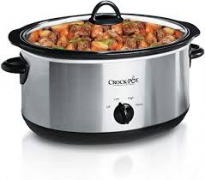
  1. Leaving food in a crock pot, to alleviate both issues of shehiya and hatmana,
    1. according to some poskim all you need to do is cover the knob as long as it is cooking for Shabbat day.
    2. However, some forbid it unless there is an aluminum foil lining between the insert and the heating element and the knob is covered.[26]
    3. Furthermore, some take this a bit further and insist that there be a significant space between the heating element and the crock pot insert. This can be accomplished by placing a few balls of tin foil under the crock pot insert.[27]
  2. A crock pot or slow cooker that doesn’t fit into a heating element and just sit upon a heating element don’t have the question of hatmana and only need cover the heating element with aluminum foil and preferably the knob as well.[28]

Thermos

  1. Many permit pouring hot water from a Kli Rishon into a thermos on Shabbat as long as thermos is completely dry before pouring into it. [29]

Hot Water Urn

  1. It is permitted to use a water boiler on Shabbat and it isn't considered hatmana to keep the water that was there from before Shabbat hot.[30]

Rewrapping

  1. If a pot was wrapped in a permissible manner before Shabbat, it’s permissible to uncover and rewrap it on Shabbat, or add warmer clothes. [31]

Sources

  1. See Talmud Shabbat 34b, Rashi at loc, Shulchan Aruch O.C. 257:1
  2. See statement of Rava on Gemara Shabbat 34a
  3. Shulchan Aruch 257:1
  4. Shemirat Shabbat KeHilchata 1:75 (3rd edition) based on Shulchan Aruch 257:1 and 3.
  5. Shulchan Aruch 258:1, Mishna Brurah 258:2, Shemirat Shabbat KeHilchata 1:75
  6. Shulchan Aruch 257:8 explains that even though covering with a cloth is considered something doesn't preserve the heat, since the pot is top of the fire insulating the pot with the cloth becomes like it is insulated with something that preserves the heat, which is forbidden even on Friday. Mishna Brurah 257:37, Kaf Hachaim 257:40, and Shemirat Shabbat KeHilchata 1:75 agree.
  7. Chazon Ovadia (Shabbat v. 1 p. 56) writes that some are lenient and there is a minhag to be lenient against Shulchan Aruch.
    • When Hatmana on it’s own doesn’t preserve heat but keeps in heat because of another source (that besides the cover of clothing, the food is on a Garuf or Katum stove) there is a dispute in the Rishonim if there’s an issue of Hatmana with something that preserves heat. Ran (Shabbat Bameh Tomnin) in name of Rabbenu Yonah and Rashba writes that if the insulation preserves heat because of an external source it is forbidden as Hatmana Dvar Hamosif Hevel because this insulation shows one is concerned about keeping the food warm. However, the Ramban permits if the Hatmana is done with permitted material and the Shehiyah (leaving food on a covered stove from before Shabbat) is done in a permitted way because these are two separate Gezerahs (the Gemara 47b which seemingly prohibits putting an insulated pot on a permitted stove is only forbidden because the food is put directly on the coals but if there’s a space of air in between the coals and the food it’d be permitted.) Ran (22a s.v. VeMinhagenu), Nemukei Yosef (Lo Yachpor), Rabbenu Yerucham (pg 68c), and Meiri (Shabbat Perek Kirah pg 142 s.v. Zu Hiy) write that the Minhag is like the Ramban's explanation. Ritva 47b mentions the Ramban and adds that some are strict to make a separation between the clothing and the pot (as that’s not the usual way to insulate) but concludes that he prefers a different stringency which is putting the pot on top of a cover that separates between the pot and stove. S”A 257:8 rules even though Shehiyah is permitted in certain cases (see S”A 253) if the pot is covered with clothes even though it is a material that doesn’t preserve heat it’s forbidden to be left on the fire.
    • Sh”t Chut MeShulash 8, Shaarei Yeshua 5:8, and Sh”t Divrei Moshe 64 say that the Minhag has what to rely on even though S”A was strict. Sh”t Zechur LeYitzchak 74 pg 113b brings the opinion of Maharar Moshe Ben Chaviv who says the Minhag has what to rely on based on the Ramban and the opinions that there’s no issue of Hatmana if the food is cooking for Shabbat day; nonetheless, Zechur LeYitzchak suggests that since the Minhag predates S”A it can continue, but concludes that one should be strict like S”A. Eretz Chaim 257, Memei Shlomo 257, Sh”t Yaskil Avdi 3:10(4:7), Gedolei Tzion 9:11 also quote the Maharar Ben Chaviv and Chazon Ovadyah (Shabbat 1 pg 56; as in Sh”t Yabia Omer O”C 6:33) conclude that one can be lenient. Halacha Brurah 257:29 writes that one doesn't need to stop someone who is lenient since there is what to rely upon.
  8. The Tur 257:8 adds that his father the Rosh held that if the clothes aren’t touching the pot it is permitted and not a normal way to do hatmana. Thus, Shulchan Aruch 257:8 rules that if the pot isn’t touching the coals it is a permissible Shehiyah and if one puts a tray on pot of the pot and clothing on top of the tray so that the cloth doesn’t touch the sides of the pot it is a permissible hatmana. Minchat Cohen (Mishmeret Shabbat 8) explains that S”A requires both requirements: 1) the pot doesn’t touch the coals and 2) the clothes don’t touch the sides of the pot. Shemirat Shabbat Kehilchata 1:76 accepts this.
  9. Kaf Hachaim 258:3 writes based on the Magen Avraham 258:1 that insulating a pot on top of another pot that is on the fire is forbidden even before Shabbat since it is considered like hatmana bdvar hamosif hevel. Mishna Brurah 258:2 agrees. Kaf Hachaim adds that according to the lenient opinion in the Rama 257:7 since there is no issue of shehiya on a pot on top of another pot there's also no issue of hatmana, but that is only if that is the minhag.
  10. Shemirat Shabbat KeHilchata 1:72
  11. Chazon Ish 37:32 rules that a vessel inside a pot of hot water doesn’t have an issue of Hatmana. Even though, Aruch HaShulchan 258:3 and Sh”t Shevet HaLevi 3:47 argue on the Chazon Ish, Chazon Ovadyah (Shabbat 1 pg 62) says one can rely on the Chazon Ish to be lenient, especially if the food is fully cooked (for which Rama 257:7 permits Hatmana). Sh”t Shevet HaLevi 8:15(4) says that there is what to be lenient since the bag is only separating the food inside it but it would have been hot from the pot nonetheless. Sh”t Vayeshev Moshe (Zanger) O”C 19 adds that the bag or aluminum isn’t a real vessel that separates the food inside it. Rav Shlomo Zalman in Sh”t Minchat Shlomo (2:34(20) in Ostrot Shlomo version), Sh”t LeHorot Natan O”C 12, Kovetz Or Yisrael 5:23, Sh”t Shraga HaMeir 4:63, 6:3, Megilat Sefer on Shabbat 4:13, Sh”t Kinyan Torah 4:24, Sh”t Az Nidabru 6:78, Sh”t Or Letzion 2:17(13), and Sh”t Maaseh Nisim 163 agree that there’s no Hatmana in our case of a food within another food since it’s not meant to be totally separate.
    • In the 2nd edition of Shemirat Shabbat Kehilchasa 42:63 he was strict regarding materials that don’t allow liquid through such as plastic, nylon, or aluminum liners inside chulent or crock pots, however in the 3rd edition there’s an explicit retraction in 1:87 quoting Rav Shlomo Zalman to permit in all circumstances.
    • Meor Shabbat 3 pg 519, and Menuchat Ahavah 1:3(27) are somewhat strict on the issue, the Minhag is to be lenient on this issue.
  12. Mishna Brurah 258:2, Dirshu Footnote 258:7
  13. Shulchan Aruch O.C. 257:8, Mishna Brurah 257:37, Halacha Brurah 257:28.
    • Tur 257:8, quoting the Rosh, writes that those people who insulate a pot on Friday with a cloth and put the pot on a covered fire are doing wrong, since the cloth is considered an insulation that adds heat once the pot is on top of a heating element. The Bet Yosef (257:8 s.v. u'ma shekatav rabenu aval hatmana) writes that Tosfot Shabbat 48a s.v. dzeytim held that it is forbidden to use a cloth to cover a pot on top of covered coals since the cloth becomes something that adds heat since the pot is on top of a heating element. He also quotes the Smag Lav 65, Smak 282, Sefer Hatrumah 231, and Ran (shabbat 22a s.v. aval) citing the Rabbenu Yonah and Rashba as agreeing. He does cite the Ran quoting the Ramban as disagreeing that hatmana and shehiya are two separate issues, and if a cloth isn't something that adds heat itself it isn't considered something that adds heat for hatmana.
    • Shulchan Aruch 257:8 follows the opinion of the Tosfot, Smag, Smak, Sefer Hatrumah, Rashba, Rabbenu Yonah, Rosh, and Tur unlike the Ramban. This is accepted by the achronim including Shulchan Aruch Harav 257:10, Mishna Brurah 257:37, and Halacha Brurah 257:28. Aruch Hashulchan 257:11 agrees and adds that the Rambam and Rif agree with Tosfot. Halacha Brurah 257:28 adds that the Nemukei Yosef b"b 10a agrees with Tosfot.
  14. Shulchan Aruch 257:8, Halacha Brurah 257:28-29, Chazon Ovadia Shabbat v. 1 p. 56.
    • According to Sephardim, Halacha Brurah 257:29 writes that someone who does insulate the pot before Shabbat with a blanket on top of the heating element, even though it is against most rishonim (Tosfot, Rosh, Tur, Smag, Smak, Sefer Hatrumah, Rashba, and Rabbenu Yonah) and Shulchan Aruch, someone who relies on the Ramban Shabbat 47b who holds that a cloth isn't considered something that adds heat even though the pot is on top of a heating element shouldn't be rebuked. (See there where he adds that although many rishonim are strict there are many who are lenient like the Ramban including Or Zaruah 2:8, Sefer Habatim ch. 5, Ohel Moed 3:10, Ritva Shabbat 47b quoting Rabbenu Tam, Sefer Hayashar no. 235, and Meiri 36b based on Rashi.) Furthermore, if the pot is heating food for the next day there is what to rely upon according to the Shibolei Haleket. Even though this is a minority opinion someone who follows it in conjugation with the Ramban shouldn't be rebuked. Halacha Brurah 258:3 p. 382 clarifies that this lenient is only before Shabbat.
    • Shemirat Shabbat Kehilchata 1:77-78 writes that it isn't considered insulating if the pot isn't completely covered. It would be permitted even if it is on the fire. In the footnote, he cites Rav Shlomo Zalman Auerbach who clarified that it is only not considered hatmana if a recognizable part of the side of the pot is exposed around a majority of its circumference and not just one little area. Orchot Shabbat v. 1 p. 110 agrees that covering a pot on a covered fire on Shabbat with clothes is permitted if they only partially cover the pot. The definition is that it needs to be uncovered in a significant way so that it negatively impacts on the heat of the pot.
    • However, Halacha Brurah 257:29 writes that even Ashkenazim should be strict. He explains that the implication of the Rama who doesn't comment on 257:8 is that it is forbidden to cover a pot on a heating element even though it is only partially covered. He quotes the Pri Megadim E"A 257:18, who explains that even though usually a partial covering isn't an issue for the Rama 253:1, here it is since it is clear that one is insulting the pot to keep it hot. However, he also quotes the Minchat Cohen 2:8 s.v. veheneh (cited by Halacha Brurah v. 14 p. 345) who says that according to the Rama it is permitted. Halacha Brurah writes that Ashkenazim should be strict.
  15. Halacha Brurah 257:28, based on Shulchan Aruch 253:1 that hatmana on one side is considered hatmana, writes that covering the pot on top of a covered fire is forbidden. He explains that this is the intent of Shulchan Aruch 257:8.
  16. Shulchan Aruch 257:1-2, Shemirat Shabbat KeHilchata 1:65
  17. Mishna Brurah 258:2, Shemirat Shabbat KeHilchata 1:75
  18. Shemirat Shabbat KeHilchata 1:66
  19. Orchot Shabbat 2:86
  20. Shemirat Shabbat KeHilchata 1:68
  21. Mishna Brurah 258:2
  22. In Shabbat 51a, Rav Yehuda in the name of Shmuel says that it’s permitted to insulate cold food. Rashi (Shabbat 51a) explains that it’s permitted to keep it cold and there’s no Gezerah of Hatmana, implying that heating up cold food even with insulation of material that doesn’t preserve heat is forbidden. Mahari MeLunil 51a, Ravan 346, Ravyah 202 pg 287, and Rabbenu Yishaya MeTeranayah pg 294 concur with Rashi. However Rambam, (Shabbat 4:4) permits insulating the cold food even to remove its coldness. Rashba 51a in name of the Geonim, Ran 23b, Nemukei Yosef 51a, and Rabbenu Yerucham pg 68c in name of Tosfot agree with the Rambam. Shulchan Aruch 257:6 rules like the Rambam.
  23. Shulchan Aruch 257:2, Orchot Shabbat 2:76
  24. Igrot Moshe 4:74 Hatmana no. 3, Orchot Shabbat 2:77. Rabbi Mansour ("Hatmana: Foil –Placing Wrapped Foods on the Blech") writes that Sephardim can be lenient like Rav Shlomo Zalman Auerbach who says that it is permitted to wrap a food in aluminum foil even if one isn't doing it to prevent it from getting dirty. It is just like encasing it in a pot.
  25. 39 Melachos v. 2 p. 633 writes that Rav Moshe held the crock pot wasn't an issue and to avoid those who are strict it is sufficient to place aluminum foil between the insert and the heating element and also cover the knob.
  26. Reasons to permit:
    1. Hatmana: Hatmana for Tomorrow: There are some Rishonim that permit Hatmana if the food is meant to be eaten the next day. [Shibolei HaLeket 57 in name of Rabbenu Simcha says that Shehiya is permitted if a person has two pots and the one that’s cooking for Shabbat day is separate from the pot cooking for Friday night. Rabbenu Binyamin (quoted by Shibolei HaLeket), Mordechai (Shabbat 3:300), Rabbenu Yishaya HaRishon (Shabbat Bameh Tomnin), and Ravan (Shabbat 338) concerning Hatmana allow something that is set aside for the next day.] Rama 257:1 rules like these opinions. However Bet Yosef 253:1(4) concludes that this seemingly goes against many of the Mefarshim that are brought in the following Siman.
    2. Hatmana: Partial Insulation: There is a dispute in the Rishonim whether there is Hatmana when the food is touching the coals even though the food itself isn’t covered. S”A 253:1 end of saif rules (based on Rosh (Shabbat 3:1), Tur 253:1, Ran 15b s.v. Kirah, and Magid Mishna 3:4 in name of Rambam) that if the pot is touching the coals directly it’s forbidden to do hatmana in any case. However Rama 253:1 says that there are those who permit (namely, Mordechai (Shabbat 299, Hagahot Maimon 7:20, and Or Zaruh 2:8 pg 3c) and so is the Minhag. Chazon Ish 37:19 argues on this Rama and follows S”A. See The Great Crock Pot Controversy by Rabbi Yirmiyahu Kaganoff.
    3. Hatmana: The Tiny Space Between the Pot and Heating Element: Some distinguish between the pot directly on the coals and where there’s a small airspace in between including Mishna Brurah (Shaar Hatziyun 257:43) and Shulchan Aruch HaRav 257:10 (based on Ritva Shabbat 47b). Thus, Chazon Ovadyah (1 pg 64) argues that the small airspace is reason to permit even according to S”A, while Shulchan Shlomo 257:13 doesn’t consider the airspace as an interference between the coals and the pot because that’s the way it cooks.
    4. Shehiya: Covering the Knobs: Chazon Ovadia permits the shehiya because of covering the knobs. Orchot Shabbat 2:18 holds that covering the knob with tape permits shehiya.
    5. Shehiya: Other Solutions: Halacha Brurah 253:9 writes that if one covers the heating element with tin foil that solves the shehiya problem. Halacha Brurah 257:32 notes that if one puts in a raw piece of meat before Shabbat that also solves the issue of shehiya.
    6. Those who permit: Rav Vosner (Kovetz MeBet Levi 9, Shabbat LeYisrael pg 373), Sh”t Shevet HaLevi 9:52, and Rav Moshe Feinstein (Sefer Otzrot HaShabbat and Sefer Matmin UMevashel Beshabbat quote it in his name, see also Igros Moshe OC 4:74:Hatmana 4, Teshuvot Vihanhagot 3:106) permit (according to the Rama). Chazon Ovadyah (Shabbat 1 pg. 64) permits according to S”A based on a Safeka Safeka, and the small airspace, as long as one covers the knob to serve as a reminder. Rabbi Eli Mansour on DailyHalacha.com quotes this opinion of Rav Ovadia. Halacha Brurah 257:32 permits the crock pot for hatmana purposes if the food is intended for tomorrow.
    7. Those who forbid: Rav Shlomo Aurbach in Shulchan Shlomo 257:13 forbids. Rabbi Daniel Mann writes that although one is not required to do so, one who wishes to satisfy the opinion of Rav Shlomo Zalman may place little balls of tin foil underneath the removable part of the crock pot to create a separation between the pot of food and the heating element and raise the pot of food about the walls (see Rav Shlomo Zalman's letter in the back of Orchot Shabbat and Orchot Shabbat pg. 113). Rav Elyashiv (commonly quoted “in his name” (as in Sefer Otzrot HaShabbat and Sefer Matmin UMevashel Beshabbat) as forbidding the crock pot, however Shabbat Hayom recounts that he and his friend Rabbi Ofir Malka showed Rav Elyashiv the pot and Rav Elyashiv permitted it according to the Rama.
    8. Aluminum Balls Solution: Orchot Shabbat 2:88 writes that in terms of shehiya it is considered an uncovered fire which can be solved by creating a space between the pot and the insert. In terms of hatmana even though the top is uncovered it is still considered insulated since it is mostly surrounded by the heating element. Rav Shlomo Zalman Auerbach and Rav Elyashiv both held that it is only permitted to using a crock pot is the insert is raised in a noticeable way from the heating element otherwise it would be hatmana. Additionally, Rav Shlomo Zalman Auerbach added that the food had to be completely cooked before Shabbat to avoid hatmana. Lastly, Rav Wosner held that one should be strict but one doesn't have to protest Ashkenazim who are lenient since it is only partial insulation. Rav Hershel Schachter (The Laws of Cooking and Warming Food on Shabbat p. 184) writes that one should place something in between the pot and the heating element to avoid hatmana.
  27. 39 Melachos v. 2 p. 633
  28. Shalmei Yehuda 6:4 quoting Rav Elyashiv, Chazon Ish 37:35, Az Nidbaru 1:48-9, 3:17, Shemirat Shabbat KeHilchata 1:70, and Sh”t Igrot Moshe 1:95 permit pouring hot water from a Kli Rishon into a thermos and there would be no issue of Hatmana. However, according to Sh”t Shevet HaLevi 1:93 that it’s forbidden to put hot water into a thermos, thermos should be considered a Kli Sh’Melachto LeIssur.
  29. Rav Ovadia Yosef in Mayan Omer 2:9 p. 119. The footnote explains even though the water is completely covered it isn't considered insulated since that is how the machine is made.
  30. Shemirat Shabbat KeHilchata 1:67